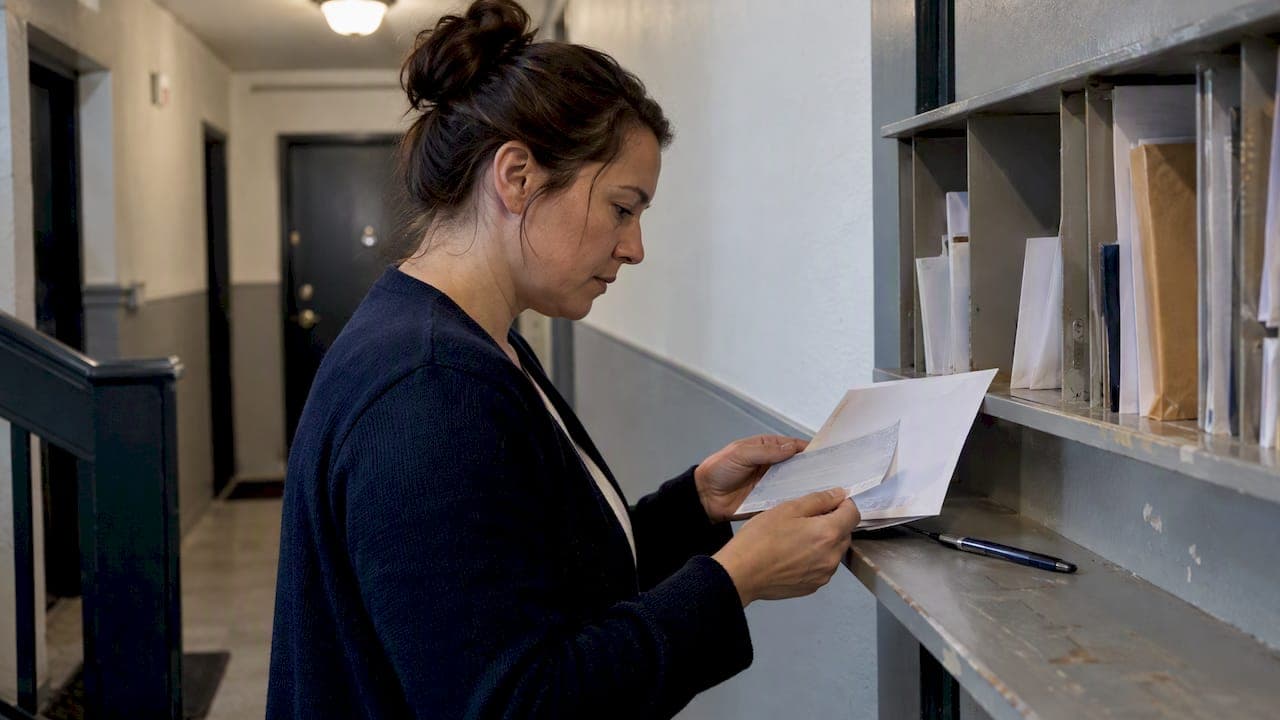
A convenience check is a blank check your credit card issuer mails you, drawn on your credit line. The main risks are simple: it usually works like a cash advance, so you can pay a transaction fee and a higher interest rate, interest can start the day the check posts, and you may get fewer protections than with a normal card purchase. If one is sitting in your mailbox, the safest default is to shred it unless you have run the numbers.
Below, we walk through each risk with the numbers that matter, show what a check really costs, cover the fraud angle, and list what to do instead.
TL;DR
- Convenience checks are typically treated as cash advances, with a fee often in the range of 3% to 5% of the amount and a higher APR than purchases.
- Many have no grace period, so interest can begin the moment the check posts. Always read the terms in your own card agreement.
- Disputes and stop-payment requests can be harder than on a card swipe. A check that bounces can trigger fees from your bank, the merchant and your card issuer.
- Unused checks are a fraud target. Shred them or ask your issuer to stop sending them.
- If you want to consolidate or pay a bill, compare against a true balance transfer or a lower-rate loan first.
Table of Contents
- What a convenience check actually is
- The risks, one by one
- What it costs: a worked example
- Fraud and scams around convenience checks
- Do convenience checks hurt your credit?
- When a convenience check might make sense
- Safer alternatives
- How to deal with the checks in your mailbox
- Our perspective
- See every card, and every cost, in one place
- FAQ
- Sources
What a convenience check actually is
The FDIC describes convenience checks as blank checks you might get in the mail from your card company. You write one to a person or business, and the payment shows up as a charge on your credit card statement. They arrive with friendly offers: low promotional rates, "pay off your other bills," "access cash when you need it."
They are not like checks from your bank account. Investopedia notes that terms vary by lender and by transaction type, and that the checks are commonly used for purchases, balance transfers or cash advances. That variation is the first risk: two checks from two issuers, or even two checks from the same issuer with different offer letters, can carry very different costs.
Where the check is cashed also matters. One card agreement in the CFPB's public database says convenience checks may not be used to make a payment on your own account. Others limit what the check can pay for. The rules live in your cardholder agreement and in the fine print of the mailer.
The risks, one by one
Risk 1: A transaction fee off the top
According to the FDIC, convenience checks typically carry a transaction fee, often 3% to 5% of the check amount. Some issuers use a flat minimum instead, and the FDIC gives a flat fee such as $10 as an example of how it may be structured.
On a $3,000 check, a 3% fee is $90 and a 5% fee is $150. You pay that before a single day of interest.

Risk 2: A higher interest rate
The check may be billed at your cash advance APR, which is usually higher than your purchase APR. Card Ratings explains that these checks operate like cash advances, which means the amount starts accruing interest right away and you are charged the cash advance rate.
The exception is the promotional offer. Some mailers advertise a low introductory rate on the check amount. Read what happens after it ends and what happens if you pay late. Promotional rates can hide costs that outweigh the short-term benefit, and a single missed payment can end the promotion in some agreements.
Risk 3: No grace period
With a normal purchase, paying your statement balance in full means no interest. Convenience checks often lack that protection. The FDIC says interest often begins accruing immediately when the check posts. One issuer's published terms say checks are added to the purchase balance, but with no grace period to avoid interest charges.
That second wording matters. Even when a check is priced at the purchase rate, losing the grace period can pull your normal purchases into interest, too, depending on how the issuer calculates it. If you pay in full every month, a check can quietly change that. Our guide to the 21-day credit card grace period shows how easily it can be lost.
Risk 4: Weaker protections when something goes wrong
Pay a vendor with your card and you get the dispute tools that come with card purchases. A check works differently. Public guidance warns that convenience checks may offer fewer protections than other card payments. Because the issuer may treat the check as a cash advance and not as a card purchase, your recourse can depend on the specific language in your agreement, not on the rules you would expect.
Stop payments are a good example. In one published agreement, a stop-payment request has to be given in a specific way and timeframe, and it can be ineffective if the details you provide (check number, payee, amount) are wrong or the check has already been presented. The exact deadline and procedure differ by issuer, so look up yours before you need it.
If you do pay by card and find a problem, speed matters. Our piece on duplicate charges and the 60-day window explains the deadline that protects card purchase disputes. Do not assume a check gets the same treatment.

Risk 5: Returned checks and stacked fees
A convenience check can be declined. If you write one that exceeds your available credit, the FDIC warns the returned check could trigger overdraft fees from your bank, returned-check fees from merchants or vendors, and over-limit fees from your card issuer. Your landlord or contractor may also charge you, and now they know your payment bounced.
The cost of mistakes is why you should check your available credit and how much is already used before writing one. Utilization also matters for your score, which we cover below.
Risk 6: It feels like a regular check, but it is debt
The psychological risk is real. A check feels like spending your own money. It is borrowing. Consumer finance writers note that this makes people underestimate the cost of high-interest advances compared with traditional credit or lower-cost loans. The offers also tend to arrive when a cardholder is already stretched.
What it costs: a worked example
Say you get a check offer and use it for a $2,500 car repair. These figures are illustrative, not from any one issuer: a 4% fee and a cash advance APR of 28%. Check your own agreement for real numbers.
| Item | Amount |
|---|---|
| Check amount | $2,500.00 |
| 4% transaction fee | $100.00 |
| Balance that starts accruing interest | $2,600.00 |
| Interest in the first 30 days at 28% APR (simple approximation) | about $60 |
| Cost after one month | about $160 |
That is roughly 6% of the repair bill gone in a month, before you have paid anything down. Paying only the minimum makes the figure grow. For more, see our real dollars-and-cents interest examples and the way compounding works against you.
There is another trap: payment allocation. If you carry balances at different rates, your payments may not go first to the most expensive one. Check how your issuer applies payments in your card agreement.
Fraud and scams around convenience checks
Unused checks sitting in your mailbox or in a drawer are a risk by themselves. A thief who intercepts the mailer can write checks against your credit line, and these look like any other check to a merchant. Card issuers often describe different liability rules for checks than for card transactions, and one reference in the research notes that standard check-law protections may not apply, with your rights governed by your card agreement. Call your issuer for its written terms.
Check scams are also common. In one pattern flagged by the FTC, a scammer sends a check and asks you to send money back. The check later fails and you owe the bank. The same logic applies if anyone asks you to deposit a check and wire funds. The FTC alert from December 2020 reported a median loss of $1,988 in reported check scams for 2019, an older figure, but the pattern persists.
If a convenience check ever goes missing, call your issuer immediately and ask about stop-payment steps. Then review your statements closely. Our guide to fraud alerts for multi-card users and our explainer on why fraud protection matters cover what to watch for.
Do convenience checks hurt your credit?
Not directly, but the effects can add up. The check increases your card balance, which raises your credit utilization. High utilization on one card or across all cards tends to weigh on scores. Fees and interest make the balance harder to pay down, and a late payment will do more damage. Our financial health indicators guide explains which ratios to watch.
If you carry several cards, this gets harder to see: a check on one card raises that card's utilization and may change which card should get your next payment. That is the kind of decision you want a full picture for.
When a convenience check might make sense
Almost never, but there are narrow cases. All of these must be true:
- The check's promotional rate is clearly lower than every other option you have, including your regular balance transfer offers.
- You have read the fee, the rate after the promotion, and what ends the promotion.
- You can pay the full amount before the promotion ends.
- You have confirmed the effect on your grace period.
- The payee accepts checks and the amount fits well within your available credit.
If any of these fail, pass. Counselors generally treat these checks as a last-resort tool and advise comparing terms against your existing agreements and other sources of funds.
Safer alternatives
- Pay with the card itself. If the merchant takes cards, you keep the grace period and dispute rights.
- A true balance transfer. Compare the fee and the promotional period. Read the terms the same way.
- A personal loan from a bank or credit union. Fixed payments and a set end date often beat open-ended revolving debt.
- A payment plan with the biller. Landlords, hospitals and utilities often negotiate before you borrow.
- Aim your payments at the costliest balance. If your goal is paying interest down, see our guide on when to pay your card and how to avoid trailing interest.
How to deal with the checks in your mailbox
- Do not leave them lying around. Shred any you do not plan to use.
- Opt out. Call the number on the back of your card and ask the issuer to stop sending convenience checks. You can also ask to deactivate any you hold.
- Review your statements for any check transactions you do not recognize.
- If you do use one, keep the stub, record the date and amount, and pay it down first in your repayment plan.
Our perspective
We built Finja around one belief: most people with several cards do not lose money to one big mistake. They lose it to many small decisions made without the full picture. Convenience checks are a textbook case. The offer arrives in the mail, the rate looks fine on its own, and the fee, the missing grace period and the effect on your other cards are buried in the fine print.
Our focus is on reducing interest costs and improving credit health, not on chasing rewards. That shapes how we think about checks. A tool that adds cost and complexity to a balance you are trying to shrink is working against that goal. When you see all your cards in one place, the question changes from "is this check's rate good?" to "does this move make my total interest lower?" Very often, it does not.
If you are considering a check, run it the way you would any payment decision: what does it cost this month, what does it do to my balances, and which balance should I be paying instead?
— Grace K.
See every card, and every cost, in one place
Checks are tempting when you cannot see where your money is going. Finja is an AI-powered credit card coach that shows all your cards together and gives guidance on payment timing and amounts to reduce interest and support your credit health. Before you borrow against a card, you can see how it fits with the rest. For a related look at your spending patterns, read how an APR-first spending report helps when you hold three or more cards.
FAQ
Do you have to pay back a convenience check?
Yes. It is borrowing against your credit line, and the amount appears on your statement as a charge, as the FDIC explains. You owe the amount, the fee and any interest, whether the check was used for cash, a bill or a balance transfer.
What are the disadvantages of using credit card convenience checks?
The main ones are the transaction fee, a higher APR, and often no grace period. Protections for disputes and stop payments can be weaker than for card purchases, and a returned check can trigger several fees. They also tempt you to treat debt like cash.
Can someone steal my information from a check?
Yes. A check shows your name and often your address, and the mailer ties to your credit line. A stolen or intercepted check can be written to someone else, and check scams exist where you are asked to send money back. Shred unused checks and tell your issuer right away if one goes missing.
Can I cancel or stop a convenience check?
Sometimes. Issuers set their own procedures, and one published agreement says stop payments depend on timing and accurate details. Call the issuer as soon as you know there is a problem and follow up in writing.
Sources
- Credit Card Checks and Cash Advances, FDIC
- Convenience Checks: Uses, Risks, and How They Work, Investopedia
- What are credit card convenience checks?, Card Ratings
- Hey college students: have you seen this scam?, FTC Consumer Advice
- Consumer Credit Card Agreement and Disclosure, via CFPB
- Credit card terms and conditions, via CFPB