
Most duplicate-looking charges are temporary authorization holds or processor artifacts that clear on their own within a few days. If both entries post and stay on your statement, you're likely looking at a real billing error, and the clock starts on your right to dispute it. Contact the merchant first, keep your proof, and if the charge isn't reversed, send your card issuer a written notice under the Fair Credit Billing Act within 60 days. Tools that show every card in one place, including Finja, can help you spot the second charge before that window closes.
TL;DR:
- Compare dates, amounts, and merchant descriptors against receipts, then screenshot both entries and save refund confirmations before pending records disappear.
- The FCBA clock starts on the statement date; send written notice with your account number, amount, date, explanation, and evidence to the billing inquiry address.
- During a credit card investigation, the issuer cannot collect or charge interest on the disputed amount, but you must pay the undisputed balance on time.
- Debit card funds leave your account immediately, and protections are generally weaker and more time sensitive, so report suspected fraud to your issuer promptly.
- An issuer may grant provisional credit but reverse it if the merchant validates the charge; investigations can take two billing cycles or 90 days.
Table of Contents
- Why duplicate-looking charges happen: holds, settlement, and processor artifacts
- Immediate steps: what to check and who to contact first
- How to file a formal dispute under the Fair Credit Billing Act
- What to expect during and after the dispute
- Credit vs debit protections and immediate urgency
- Keeping records that hold up if you need to dispute
- What matters most when a charge looks duplicated
- Finja: an adjacent tool to help you spot duplicates and organize dispute evidence
- FAQ
- Sources
Why duplicate-looking charges happen: holds, settlement, and processor artifacts
When you pay with a credit card, the merchant doesn't take your money right away. The issuer first places an authorization hold, a temporary reservation of funds that confirms you can cover the purchase. Days later, once the merchant submits its batch for settlement, that hold is replaced by a posted transaction, the one that actually appears on your statement and affects your balance. For a short window, both can be visible at once, which is why a single purchase can look like two charges.
Most of these duplicates resolve on their own. Many pending entries clear as the merchant's batch settles and the hold drops off, though some card networks may allow holds to remain visible longer in specific cases. A few things create the illusion of duplication even when nothing is wrong:
- A merchant splits a single order into multiple settlement batches, each generating its own line item.
- A payment retry after a failed first attempt leaves an old authorization still showing.
- Automated fraud-detection systems flag an unusual pattern and temporarily display it as a separate entry.
Payment networks and fraud-prevention providers describe this behavior as a normal part of how authorization and settlement work, and they recommend checking whether a charge is still pending before assuming it's an error.
Immediate steps: what to check and who to contact first
Before you escalate anything, run through a quick sequence that either helps resolve the issue or builds the paper trail you'll need later.
- Compare the charge details. Match the date, amount, and merchant descriptor against your receipt, delivery confirmation, or returns log, and note which entry still shows as pending.
- Contact the merchant directly. Ask for a refund and request confirmation in writing, an email, a reference number, or an ID you can save; if you call, write down the agent's name and the time of the call.
- Escalate if nothing happens. If the merchant doesn't reverse the charge within a few business days, gather your screenshots, emails, and confirmation numbers, then call your card issuer and log who you spoke with and when.
Pro Tip: Screenshot your statement the moment you notice the duplicate; pending entries can disappear before you get a second look, and that screenshot becomes your timestamped proof.
Contacting the merchant first is usually the fastest path to a refund, and CFPB guidance recommends giving that refund a few business days to post before moving on to a formal dispute with your issuer.
How to file a formal dispute under the Fair Credit Billing Act
If the merchant doesn't fix the charge, your next move is a written billing error notice to your card issuer. This step matters because it's the one that triggers federal protections, not a phone call alone.
- Send written notice within 60 days of the statement that first showed the error. This is a hard deadline under the Fair Credit Billing Act, and missing it can cost you your dispute rights.
- Include every required element: your name, account number, the dollar amount in question, the date of the charge, a clear explanation of the error, and copies of any supporting documents like receipts or merchant correspondence.
- Mail it to the billing-inquiries address, not the payment address. Using the wrong address can mean your notice never counts as received, which undermines the entire dispute.
That acknowledgment-and-resolution timeline comes straight from 15 U.S.C. § 1666, which also spells out exactly what a compliant billing error notice must contain. While your issuer investigates, they're barred from trying to collect the disputed amount, charging interest on it, or reporting your account as delinquent because of it, according to CFPB guidance on fixing billing mistakes. You still have to pay the undisputed part of your bill on time.
What to expect during and after the dispute
Once your issuer opens an investigation, they may issue a provisional credit while they look into it, essentially giving you your money back temporarily. That credit isn't final.
- If the merchant later provides evidence the charge was valid, your issuer can reverse the provisional credit and reinstate the amount.
- If your dispute is denied, you're entitled to ask for the evidence the issuer relied on and can write an appeal within whatever timeline they specify.
- If you believe the issuer didn't follow the required procedure, you can file a complaint with the CFPB, which oversees how billing error resolutions are supposed to work.
On timing, merchant refunds for a simple duplicate often post within days. A formal issuer investigation can take the full two billing cycles, or up to 90 days, before you get a final answer.
Credit vs debit protections and immediate urgency
Credit and debit cards don't offer the same legal footing when a duplicate charge turns out to be real. With a credit card, the FCBA gives you a 60-day written-notice window and lets you withhold the disputed amount while your issuer investigates, all without that money leaving your account first.
Debit cards work differently. The funds are pulled from your bank account immediately, and the FTC notes that consumer protections for debit disputes are generally weaker and more time-sensitive, so speed matters even more. If you suspect outright fraud rather than a billing mix-up, report it to your issuer right away and consider filing at IdentityTheft.gov, since unauthorized-transaction liability limits differ by card type.

Keeping records that hold up if you need to dispute
Good record-keeping can make the difference between a quick fix and a drawn-out dispute. Save every receipt and delivery confirmation the moment you get it. Screenshot the statement line showing the duplicate along with any merchant refund confirmation. Note the date, time, and agent name for every phone call you make about the charge.
A consolidated view of all your cards in one place also shortens how long it takes to even notice a duplicate, which matters because the 60-day FCBA clock starts from your statement date, not from when you happen to check your account. For more on the exact dispute calendar, see our 60-day dispute timeline and checklist, and if you're trying to match an unfamiliar line item to a real purchase, our guide to hidden statement charges walks through common merchant descriptor patterns.
What matters most when a charge looks duplicated

Most advice on this topic treats the merchant call and the formal dispute as separate, sequential tasks, when the real priority is starting your documentation the moment you notice the charge, before you even know which path you'll need. The legal timeline is generous on paper, 60 days to send notice, but the practical bottleneck is almost always late detection, not a missed deadline after you've already spotted the problem.
The conventional wisdom also oversells the phone call. A verbal report to your issuer feels like progress, but it's the written notice that actually preserves your FCBA rights, and too many people stop at the phone call assuming they're covered. If you take one thing from this: treat every unexplained charge as dispute-worthy until proven otherwise, document it that day, and send the written notice even if the merchant promises a refund verbally. Promises don't have a 90-day enforcement clock behind them. The law does.
— Grace K.
Finja: an adjacent tool to help you spot duplicates and organize dispute evidence
Catching a duplicate charge early is most of the battle, and that's where having every card in one place pays off. Your AI-Powered Credit Card Coach consolidates your card accounts into a single view, so a second, unexpected charge is easier to spot before weeks have passed.
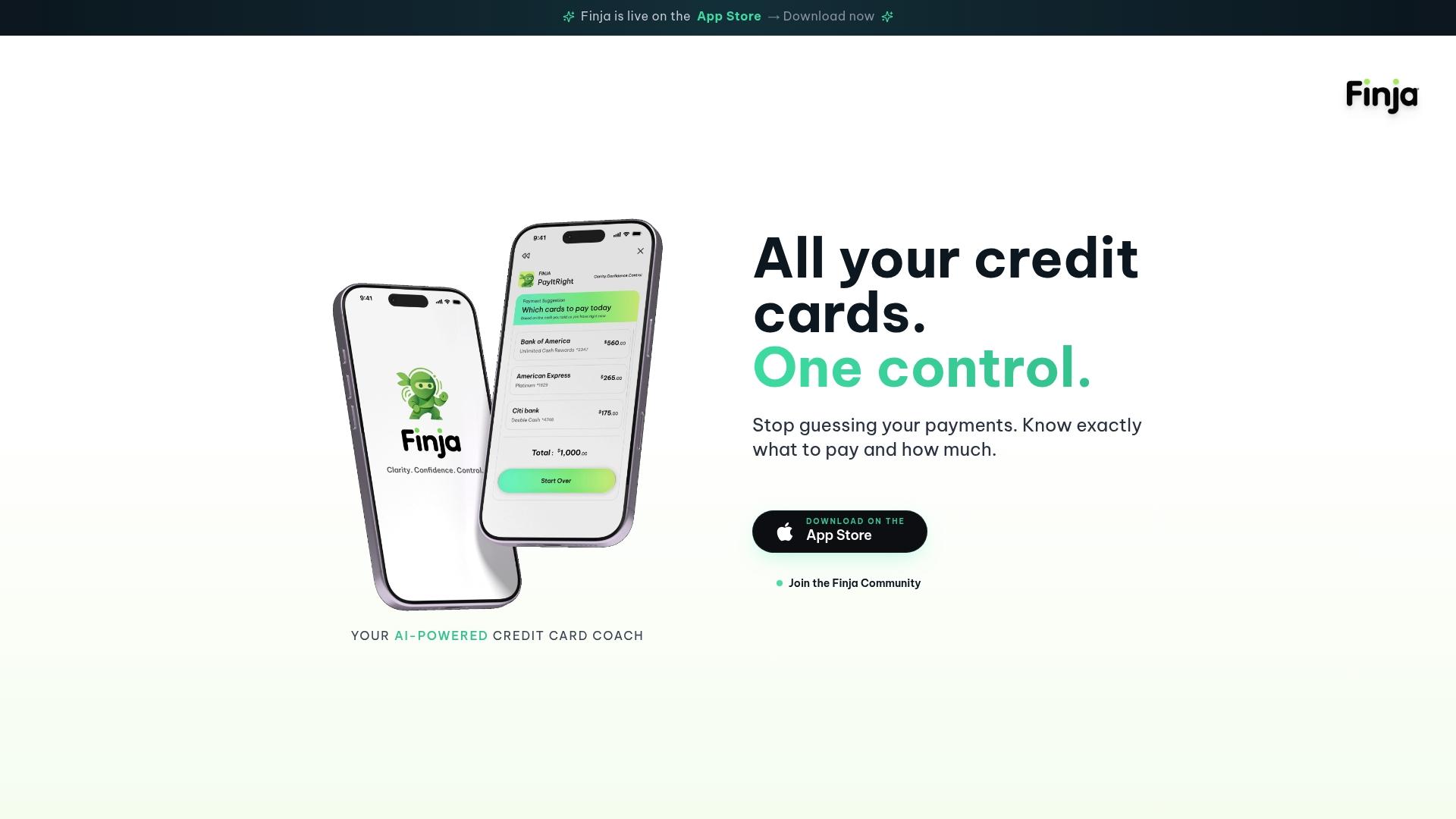
- We bring your card accounts together in one place, so you can review them without checking each issuer's app separately.
- We offer an AI-powered credit card coach to help you manage multiple cards.
- We offer AI-powered guidance to help you manage your credit cards.
If you're juggling multiple cards and want fewer surprises on your statements, see what Finja looks like for your accounts.
FAQ
What are duplicate card charges?
Duplicate card charges are two entries for what looks like the same purchase, usually a temporary authorization hold sitting alongside a posted transaction, or occasionally a true processor error. Most resolve on their own within a few days as the hold drops off once the merchant settles the batch.
What to do if I was charged twice for the same purchase at a store?
First, compare your receipt against both charges to confirm the amount, date, and merchant name match exactly. Contact the store directly to request a refund and ask for written confirmation, since most duplicate charges at checkout are resolved by the merchant without needing a formal bank dispute.
Who do I contact if I was charged twice?
Start with the merchant, since they can usually reverse a duplicate charge faster than your card issuer can. If the merchant doesn't fix it within a few business days, contact your card issuer and, per the Fair Credit Billing Act, follow up with written notice within 60 days of the statement showing the error.
How do I get my money back from a double charge?
If the merchant confirms a refund, that money typically posts within a few business days. If you need to dispute it with your issuer instead, they must acknowledge your written notice within 30 days and resolve it within two billing cycles, or no later than 90 days.
Sources
For the exact legal language behind the timelines in this article, the Fair Credit Billing Act and its codification at 15 U.S.C. § 1666 spell out what a written billing error notice must contain and how long your issuer has to respond. The CFPB's guide to fixing credit card billing mistakes and its billing error resolution rule explain your protections while a dispute is open, and the FTC's guidance on unordered or duplicate billing includes a sample dispute letter you can adapt. These are the primary references behind every deadline and protection cited above.