
Credit card portfolio management is the practice of strategically organizing multiple cards to maximize rewards, reduce interest costs, and protect your credit health. Most cardholders treat their cards as isolated tools rather than a coordinated system. That gap costs real money. Using the wrong card can mean earning 1% back instead of 3–5% on the same purchase. The right approach treats your cards as a portfolio, each with a defined role, a clear cost-benefit profile, and a scheduled review date.
What is the ideal credit card portfolio composition?
An optimized portfolio typically includes 2–4 cards: one or two fixed-category cards, one rotating-category card, and one flat-rate catchall. Each card type serves a distinct purpose, and the combination covers most spending categories without redundancy.
Here is how each card type functions in a well-structured portfolio:
- Fixed-category card: Earns elevated rewards on a consistent category, such as groceries or gas. These cards work best for predictable, recurring expenses.
- Rotating-category card: Offers higher bonus rates on categories that change quarterly, such as dining, travel, or streaming. Activating the bonus each quarter is required to capture the full value.
- Flat-rate card: Earns a consistent rate, typically 1.5–2%, on every purchase. This card handles spending that falls outside your bonus categories.
- Travel or co-branded card: Optional for frequent travelers. These cards earn airline miles or hotel points and often include perks like lounge access or free checked bags.
The risk of holding too many cards is real. Beyond five cards, complexity increases and rewards efficiency drops. Missed payments, forgotten annual fees, and underused benefits all erode the value you expected to gain. Keeping your total count at or below five gives you enough coverage without the administrative burden of tracking a dozen billing cycles.
Pro Tip: Assign each card a written role before you add it to your wallet. If a new card duplicates an existing role without offering a clear upgrade, skip it.

How can you manage credit card application timing to avoid rejection?
Velocity rules are the single most misunderstood element of credit card portfolio optimization. These rules are enforced automatically by issuer algorithms and cannot be overridden by your credit score or your banking relationship. Knowing the specific limits for each issuer is not optional. It is the difference between an approval and a hard inquiry that counts against you with nothing to show for it.
The major issuers each enforce distinct timing limits:
- Chase: Requires at least 31 days between applications. The widely known 5/24 rule also denies applicants who have opened five or more cards across all issuers in the past 24 months.
- Citi: Requires at least 8 days between applications and limits approvals to two cards per 65-day window.
- Amex: Limits approvals to two cards per 90 days, with a separate cap on the total number of cards held simultaneously.
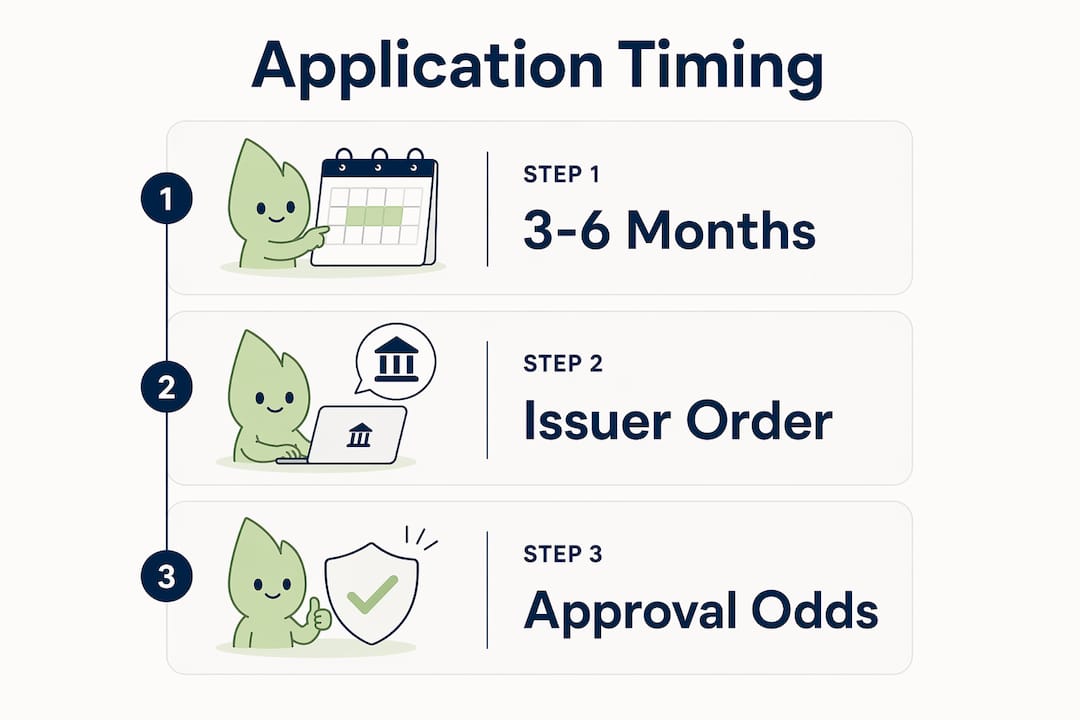
Spacing applications 3–6 months apart maintains your approval odds and keeps your credit inquiries from clustering. Applying for more than two or three cards within six months triggers automatic denials at most major issuers. Each hard inquiry also causes a temporary dip in your credit score, so clustering applications compounds the damage.
Pro Tip: Front-load applications with less restrictive issuers early in your application cycle. Save Chase applications for last, since the 5/24 rule counts cards from all issuers, not just Chase.
| Issuer | Minimum days between applications | Key rule |
|---|---|---|
| Chase | 31 days | 5/24 rule applies across all issuers |
| Citi | 8 days | Two approvals per 65-day window |
| Amex | No stated minimum | Two approvals per 90-day window |
How to conduct regular credit card portfolio audits
A comprehensive portfolio audit should happen at least once a year, with lighter quarterly check-ins in between. The annual audit is where you make the big decisions. The quarterly reviews keep you from missing fee dates or letting benefits expire unused.
A structured audit follows this sequence:
- List every card with its annual fee and renewal date. You need to know when each fee hits so you can evaluate the card before you are charged again, not after.
- Tally the cash value of benefits used in the past year. Statement credits, lounge visits, travel protections, and purchase rewards all count. If the total falls short of the annual fee, the card is costing you money.
- Assess whether your spending has shifted. A card that earned strong rewards two years ago may no longer match your current spending patterns. Life changes, and your portfolio should follow.
- Identify cards to downgrade, negotiate, or cancel. Downgrading a card to a no-fee version preserves your account age and credit history. Canceling immediately can reduce your average account age and hurt your credit score.
- Plan your next application, if any. Use the audit to decide whether a gap in your portfolio justifies a new card and which issuer timing rules apply.
Pro Tip: Set a calendar reminder 45 days before each card's annual fee date. That window gives you time to call the issuer, request a retention offer, or initiate a product change before the fee posts.
| Audit task | Frequency | Purpose |
|---|---|---|
| Review annual fees vs. benefits | Annually | Identify cards that cost more than they return |
| Check statement credit usage | Quarterly | Avoid leaving credits unused before expiration |
| Assess spending category alignment | Annually | Confirm cards still match current habits |
| Plan product changes or cancellations | As needed | Protect credit age while reducing costs |
What are best practices for ongoing credit card management?
Day-to-day habits determine whether your portfolio performs as planned. A missed payment fee or interest charge can negate your entire annual rewards value on a given card. The mechanics of managing multiple cards require consistency, not complexity.
These practices keep a multi-card portfolio running without friction:
- Set autopay for the full statement balance on every card. This eliminates late fees and interest charges. If cash flow is tight, set autopay for the minimum and pay the rest manually before the due date.
- Use a spending tracker or spreadsheet to match purchases to the right card. Knowing which card earns the most on groceries, gas, or dining takes seconds once you have the system in place.
- Monitor your credit score monthly. Applications, balance changes, and payment history all affect your score. Catching a drop early lets you identify the cause before it compounds.
- Use product changes instead of cancellations when a card no longer fits your needs. Preserving account longevity protects your credit history without leaving you stuck paying a fee you do not want.
For a deeper look at reducing costs across your cards, the guide on reducing credit card bills covers specific tactics that apply directly to multi-card holders.
Pro Tip: Review your monthly interest charges every statement cycle. Even a small balance carried forward can quietly erase months of rewards accumulation.
How do emerging trends affect credit card portfolio strategies?
Issuers are shifting how they measure cardholder value. The traditional model focused on interest income from revolving balances. That model is changing. Issuers now prioritize engagement metrics like "Days to First Transaction" and "Subscription Stickiness," which measure how quickly and how consistently cardholders use a new card after approval.
This shift has direct implications for how you manage your portfolio:
- Use a new card immediately after approval. Issuers track time-to-first-transaction. A card that sits unused signals low engagement and may affect future offers or credit limit increases.
- Link recurring subscriptions to cards you want to keep active. Subscription stickiness is a metric issuers use to gauge long-term cardholder value. A card with a Netflix or utility bill attached is less likely to be flagged for inactivity.
- Consider EMI (equated monthly installment) features on cards that offer them. Some issuers now treat EMI adoption as a positive engagement signal, separate from revolving interest.
- Use AI-powered tools to track spending patterns across cards. Platforms that analyze your transaction history can surface which cards are underperforming before your next audit.
"Issuers increasingly value engagement metrics like 'Days to First Transaction' and 'Subscription Stickiness' over interest income as revolving credit declines. Cardholders who understand this shift can use it to their advantage by activating cards quickly and maintaining consistent usage patterns."
For a broader look at how these trends affect portfolio rebalancing decisions, the 2026 rebalancing guide covers the structural adjustments worth making now.
Key Takeaways
The most effective credit card portfolio management combines a clear card role structure, strict application timing, and annual audits that match your cards to your actual spending.
| Point | Details |
|---|---|
| Ideal portfolio size | Hold 2–4 cards covering fixed-category, rotating-category, and flat-rate spending roles. |
| Application timing | Space applications 3–6 months apart and know each issuer's velocity rules before applying. |
| Annual audits | Review fees versus benefits every year and use product changes instead of cancellations to protect credit age. |
| Daily habits | Set autopay for the full balance and match every purchase to the highest-earning card. |
| Emerging issuer priorities | Use new cards immediately and link subscriptions to maintain engagement metrics issuers now track. |
The uncomfortable truth about credit card portfolio strategy
I have reviewed hundreds of multi-card setups over the years, and the most common mistake is not holding the wrong cards. It is holding the right cards badly. People spend hours researching the perfect rewards stack, then carry a balance that wipes out six months of points in a single billing cycle.
The best portfolio is one you manage reliably, not the one with the highest theoretical return. A two-card setup with zero missed payments beats a five-card setup with one interest charge every quarter. That is not a close comparison.
The second mistake I see constantly is keeping redundant cards because of a single perk. A card that charges $95 per year for a $100 travel credit sounds like a winner. But if you also pay $550 for a premium card that covers the same travel credit, you are paying twice for the same benefit. The audit process exists to catch exactly this kind of overlap.
Application timing is where I see the most avoidable damage. Cardholders apply for three cards in two months, trigger velocity denials, collect hard inquiries, and then wonder why their score dropped. Knowing Chase's 5/24 rule and Amex's 2/90 rule before you apply takes five minutes. Recovering from a cluster of hard inquiries takes months.
My honest recommendation: treat your portfolio like a small business. Assign roles, track performance, and cut what does not earn its keep. Technology makes this easier than it has ever been, and there is no excuse for flying blind when the data is right there.
— Grace K.
How Finja fits into your credit card portfolio
Managing multiple cards across different issuers, billing cycles, and reward structures is genuinely complex. Most cardholders lack a single view of how their portfolio is performing.
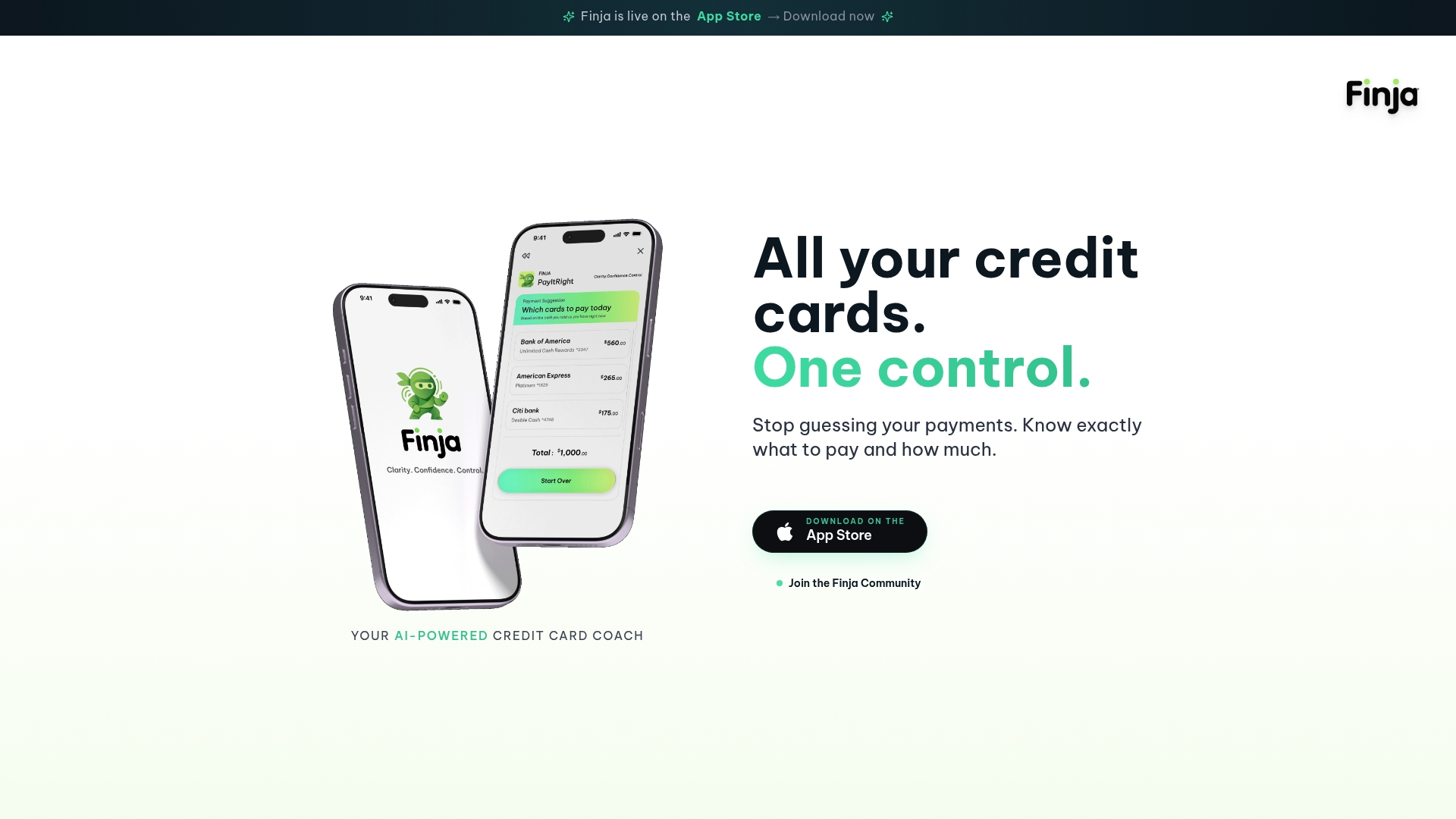
Finja is an AI-powered credit card coach that gives you exactly that view. It tracks your cards, flags underused benefits, and surfaces personalized recommendations based on your actual spending. When an annual fee is approaching, Finja alerts you in time to act. When a card is earning below its potential, Finja tells you why. For cardholders who want to manage their cards with precision, Finja removes the guesswork from every decision in the portfolio.
FAQ
What is credit card portfolio management?
Credit card portfolio management is the practice of organizing multiple cards to maximize rewards, reduce fees, and protect your credit score. It involves selecting the right card mix, timing applications strategically, and auditing your portfolio regularly.
How many credit cards should I have in my portfolio?
Financial experts recommend holding 2–4 cards for most consumers. Beyond five cards, complexity increases and the risk of missed payments or wasted fees rises significantly.
What are velocity rules and why do they matter?
Velocity rules are automatic issuer limits on how frequently you can apply for or receive new cards. They cannot be overridden by your credit score, and violating them results in automatic denial.
How often should I audit my credit card portfolio?
Quarterly check-ins and one full annual audit are the recommended standard. The annual audit is when you compare fees to benefits and decide which cards to keep, downgrade, or replace.
Is it better to cancel or downgrade a card I no longer use?
Downgrading to a no-fee version is almost always the better choice. Canceling a card reduces your average account age and can lower your credit score, while a product change preserves both.