
A keeper card strategy means deciding, card by card, whether the recurring benefits are worth more than the annual fee. If they are, you keep the card past the signup bonus. If they aren't, you cancel or downgrade it.
Three quick examples make this concrete. A hotel card that issues a free night certificate worth significantly more than its annual fee is an easy keeper. A travel card with an annual statement credit that offsets most of its fee barely clears the bar. A card offering a companion fare you'd realistically book once a year can justify a fee that a sock-drawer card never earns back. The rule of thumb: keep a card only when your actual, realistic usage, not your hoped-for usage, covers the cost.
- Free-night certificate offsetting a hotel card's annual fee
- Annual travel or statement credit reducing net cost to near zero
- Companion fare or airport lounge access you'll genuinely use
Key Takeaways
A card earns keeper status only when its realistic, honestly estimated annual value exceeds its fee, not its advertised maximum value.
| Point | Details |
|---|---|
| Define keeper status clearly | Keep a card only when realistic recurring benefits outweigh its annual fee. |
| Favor passive benefits | Automatic credits and certificates outperform manual, activation-based perks over time. |
| Build core wallet first | Add keeper candidates only after establishing low-fee cards for everyday spending. |
| Run break-even math annually | Recalculate using your actual last twelve months of spending, not hoped-for usage. |
| Automate the tracking | Finja consolidates fee dates, credits, and break-even simulations so keeper audits don't get skipped. |
Table of Contents
- What Makes a Card a Keeper: Benefits and Passive Value
- How to Build a Keeper-Card Strategy Step by Step
- How to Evaluate Whether to Keep a Card: The Break-Even Math
- Common Keeper Mistakes and How to Avoid Them
- How Finja Turns Keeper Math Into an Actual System
- Try Finja's Automated Keeper Audit
- Frequently Asked Questions
- Sources
What Makes a Card a Keeper: Benefits and Passive Value
A card earns keeper status through one of a few recurring benefit types, according to PointsMiler's breakdown of keeper cards: no annual fee at all, credits that offset the fee, or premium perks you'd pay for regardless.
- Automatic (passive) credits: statement credits, free-night certificates, anniversary points
- Manual benefits: dining credits, quarterly activations, ride-share credits you must remember to redeem
- Premium access: lounge entry, elite status, companion certificates
Passive benefits make better keepers because they show up whether or not you remember them. Practitioner discussions on myFICO forums consistently favor cards where the fee gets absorbed automatically, since manual credits are the ones people forget to use.
Friction kills redemption rates.*
A card with an annual fee covered by an automatic credit is a keeper on paper alone. A card with a high fee and multiple quarterly credits you have to remember to use is a keeper only if you're disciplined. Know which type you're holding.

How to Build a Keeper-Card Strategy Step by Step
Building a keeper strategy isn't about hoarding cards with good perks. It's about layering a small number of high-value fixtures onto a wallet that already works.
- Establish your core wallet first. Start with one or two no-fee or low-fee cards that cover everyday spending and act as your fallback for categories nothing else covers.
- Identify keeper candidates tied to real spending. Look at your actual travel patterns, hotel loyalty, or dining habits. A hotel keeper only makes sense if you actually stay at that brand.
- Wait for elevated signup offers. LazyPoints recommends holding off on keeper candidates until the signup bonus spikes, since you'll be holding the card for years, the entry bonus should be as strong as possible.
- Cap the number of keepers and set reminders. Two to four keeper cards is manageable for most people. More than that, and something always slips.
An annual audit closes the loop. Once a year, near your renewal dates, check whether you actually used each card's credits, whether your travel patterns shifted, and whether a newer offer beats what you're holding. For structuring that review, portfolio rebalancing guidance walks through timing it around fee posting dates.
- Rebalance around renewal dates, not calendar year end
- Cross-check for overlapping benefits between cards before renewing both
- Downgrade rather than close if the card has long tenure and no annual fee version exists
How to Evaluate Whether to Keep a Card: The Break-Even Math
The math is simple: add up guaranteed value, subtract the fee, and be honest about what "guaranteed" actually means for your habits.
Inputs you need:
- Annual fee (fixed cost)
- Guaranteed credits (statement credits, certificates you'll definitely use)
- Realistic frequency of use for conditional perks (not the maximum possible use)
- Out-of-pocket savings from perks you'd pay for anyway (checked bags, lounge day passes, Global Entry reimbursement)
Worked example: Say a card carries a significant annual fee. It offers a statement credit you'll always use, a free-night certificate worth a substantial amount based on where you actually stay, and a Global Entry credit you'll use periodically, providing notable annual value. That's $305 in realistic value against a $250 fee. You clear break-even by $55, a comfortable keeper.
Change one assumption, say you rarely travel to a hotel that redeems the certificate, and the math flips negative fast. That's the trap: the math only works if your usage estimate is honest.
Checklist before you renew:
- Will you actually use this at the frequency assumed, not the frequency advertised?
- Is the main benefit passive or does it require manual activation?
- Does another card in your wallet already cover this category? Check for redundant benefit stacking
- What's the opportunity cost of the annual fee versus that money invested or spent elsewhere?
A quick reality check: the single biggest reason keeper math goes wrong isn't a bad card. It's an inflated usage assumption, "I'll definitely use the dining credit every quarter," that never materializes. Run your numbers on your last twelve months of actual behavior, not your intentions for the next twelve.
Common Keeper Mistakes and How to Avoid Them
The coupon-book trap catches the most people. Cards that bundle six or seven small manual credits, $15 here, $20 there, look great on paper but require constant tracking. Miss three of them and the "value" evaporates.
- Forgetting to use credits you already paid for through the annual fee
- Holding too many manual-benefit cards at once, which multiplies the chance you miss something
- Never recalculating after your travel or spending habits change
The fix is structural, not willpower. Bias toward passive benefits when choosing new keepers. Set calendar reminders tied to each card's credit reset date. Run one real audit per year instead of vague ongoing vigilance.
Pro Tip: Count how many separate manual credits you're tracking across all cards right now. If it's more than four or five, you're managing a chore, not a strategy.

How Finja Turns Keeper Math Into an Actual System
Running break-even math by hand for four or five cards, each with different fee dates and credit cycles, is exactly the kind of tracking that gets abandoned by March. Finja, an AI credit card coach, keeps that math running in the background instead of in your head.
- Consolidated view of every card's fee date, credits, and usage in one place
- Break-even simulations that update as your real spending changes
- Reminders before annual fees post and before credits expire unused
A practical workflow looks like this: import your accounts, tag which cards you're evaluating as keeper candidates, run the simulation against your actual twelve-month spending, then set yearly reminders around each renewal date.
Keeper decisions fail most often not from bad math but from math nobody ever finishes running. Automating the tracking is what turns a one-time calculation into an actual annual habit.
A quick personal rule on keepers
My own rule: I don't add a keeper candidate until I've watched a signup offer spike at least once. I passed on a hotel card for eight months waiting for a bonus jump, then applied the week it doubled. Your mileage will vary depending on how you actually travel and spend.
Try Finja's Automated Keeper Audit
Manually tracking four cards' fee dates, credit resets, and break-even math across a full year is where most keeper strategies quietly fall apart, not because the math is hard, but because nobody keeps running it.
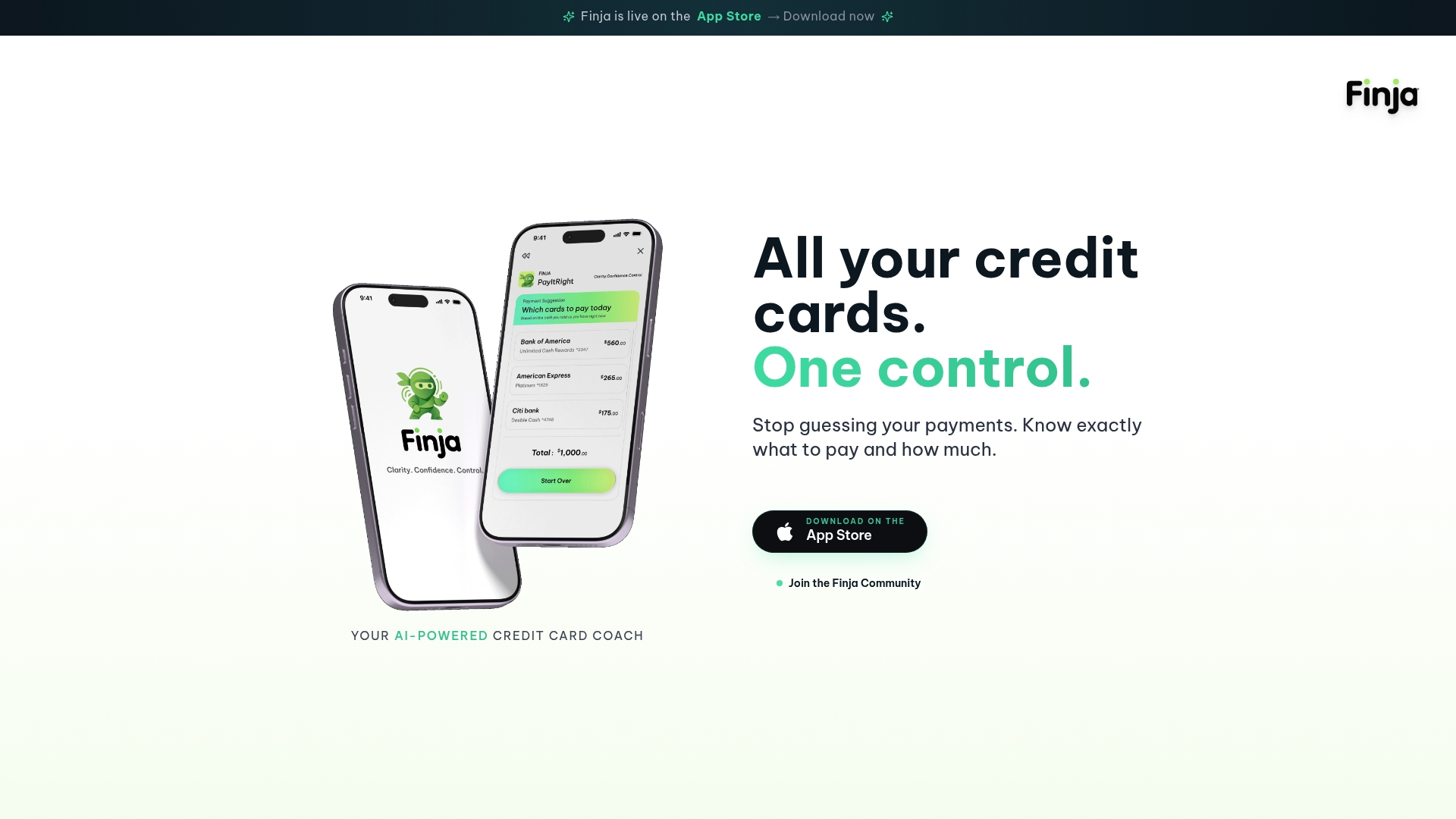
Finja consolidates every card's fee timing and credit status into one view and flags when a keeper is actually paying for itself versus quietly draining money. Instead of rebuilding your break-even spreadsheet every renewal season, the simulation updates automatically as your spending shifts. If you're holding more than two or three cards you're calling "keepers," it's worth checking whether they still earn that title. Visit Finja's credit card coach to import your accounts and run your first keeper audit.
Frequently Asked Questions
What is keeper card strategy in simple terms? It's the practice of deciding whether a credit card's ongoing perks, credits, or certificates are worth more than its annual fee, then keeping only the cards that clear that bar.
How many keeper cards should I have? Most people manage two to four well. Beyond that, tracking credits and renewal dates across cards gets hard to sustain without a tool doing it for you.
Is keeper card strategy effective for non-travelers? Yes, keeper logic applies to cashback and dining credits just as well as travel perks. The math is the same: fee versus realistic annual benefit.
What's the biggest keeper card mistake? Overestimating how often you'll use manual, activation-required credits. Passive credits are far more reliable for actually hitting break-even.
Should I cancel a card that doesn't qualify as a keeper? Not always. Downgrading to a no-fee version of the same card often preserves your credit history without the ongoing cost.
This article is general information, not a substitute for advice from a qualified financial advisor. Consult a qualified financial professional about your own circumstances before acting on anything here.
Sources
- What Is a Keeper Card? — PointsMiler
- Choosing a Credit Card: Step 2—Keeper Cards — LazyPoints
- Optimal Rewards Strategy & Keeper Cards — myFICO Forums