
The fastest reliable way to fix a damaged credit history is to stop any ongoing damage first, then follow a prioritized 30/90/12 month plan built around two things: paying on time and lowering your credit utilization. Payment history drives about 35% of your FICO Score, and utilization accounts for roughly 30% of it — those two levers do more work than anything else you can try. Start today with these moves:
- Pull your free reports from AnnualCreditReport.com and scan for errors.
- Bring any past-due account current if you can, even partially.
- Set up autopay or calendar reminders so nothing slips again.
- Flag anything that looks wrong for a dispute with the credit bureau.
Nothing here is instant. But it's the sequence that actually moves a score, backed by Consumer Financial Protection Bureau guidance rather than internet folklore.
Key Takeaways
Fixing a damaged credit history depends on stopping ongoing harm first, then prioritizing on-time payments and low utilization over months, not days.
| Point | Details |
|---|---|
| Stop the bleeding first | Bring past-due accounts current and avoid new hard inquiries before anything else. |
| Utilization moves fastest | Paying down revolving balances can shift your score within one billing cycle. |
| Disputes take about 30 days | Bureaus must investigate documented errors within roughly a month under FTC rules. |
| Skip paid repair promises | No company can legally erase accurate negative items; most steps are free to do yourself. |
| Use Finja for multi-card tracking | Finja's AI flags which balance to pay down first and automates payments to protect your score. |
Table of Contents
- What Is the 30/90/12 Month Plan to Rebuild Credit?
- How Do You Check Your Credit Reports for Errors?
- How Do You Stop Further Damage to Your Credit?
- Which Credit Behaviors Actually Raise Your Score?
- Should You Use Credit Counseling or a Paid Repair Service?
- Your Weekly Credit Recovery Checklist
- A Note on Patience and Discipline
- How Finja Helps You Stay on Track While You Rebuild
- Frequently Asked Questions
- Sources
What Is the 30/90/12 Month Plan to Rebuild Credit?
Credit recovery isn't one action, it's a sequence. Some fixes matter in week one. Others only pay off after months of consistent behavior. Trying to do everything at once is how people burn out and quit by March.
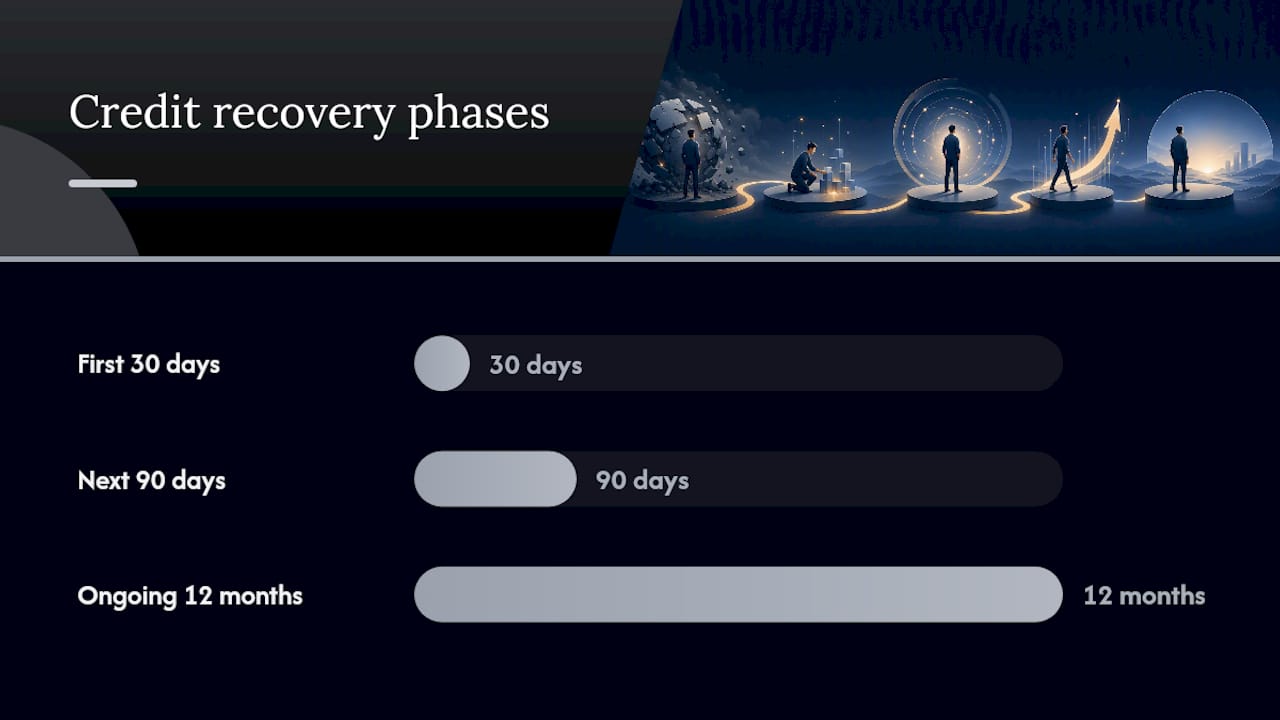
The first 30 days are about triage. Get any past-due accounts current, order your three credit reports, and identify which negative items are accurate and which need a dispute. This is also when you stop the bleeding: no new hard inquiries, no maxing out a card to cover an emergency if you can avoid it.
Days 31 to 90 are where utilization work happens. This is the highest-leverage window in the entire plan, because utilization can shift a score within a single billing cycle, unlike payment history, which needs months to show a trend.
Past 90 days, the game shifts to consistency. Length of credit history and credit mix start contributing more, but only if you've kept the fundamentals steady.
| Timeframe | Top priorities |
|---|---|
| First 30 days | Get current on past-due accounts; pull reports from AnnualCreditReport.com; flag errors for dispute |
| Next 90 days | Pay down revolving balances toward low utilization; automate payments; consider a secured card if needed |
| Ongoing (12 months) | Keep oldest accounts open; maintain on-time payments; check reports monthly and track score trends |
Pro Tip: If you can only tackle one thing this month, tackle utilization. It reports monthly and reacts fast, so a paydown in March can show up on your score by April.
Payment history and utilization move the needle first. Credit mix and account age matter, but they're slow variables that reward patience more than effort.
How Do You Check Your Credit Reports for Errors?
Every recovery plan starts with an honest look at what's actually on your reports, not what you assume is there. AnnualCreditReport.com is the only site authorized to give you free reports from Equifax, Experian, and TransUnion, and current CFPB guidance allows access at least once every 12 months, with some bureaus offering it more often.
Once you have all three reports, here's the process:
- Check personal information first: wrong addresses or misspelled names can signal mixed files.
- Review every account for accuracy: balances, payment status, and open/close dates.
- Look at hard inquiries and confirm you authorized each one.
- Circle anything wrong, outdated, or unfamiliar.
- Draft a dispute for each item, citing the specific inaccuracy.
For the dispute itself, contact both the bureau reporting the error and the business that furnished the information. Include copies of supporting documents (never originals), and if you're mailing anything, send it certified with a return receipt.
Under FTC rules, the bureau generally has about 30 days to investigate once it receives your dispute. If the item gets corrected, you'll receive an updated report. If the bureau denies your dispute, you have the right to add a statement of dispute to your file, and you can also refile with new documentation if you find something stronger. Keep every letter, confirmation number, and mailing receipt. If this ever needs to go further, that paper trail is your entire case.
How Do You Stop Further Damage to Your Credit?
Before you can rebuild anything, you have to stop digging. That means getting current on past-due accounts, even if it's a partial payment, and staying current from here forward.
If a bill is genuinely unaffordable, call the creditor before you miss the payment, not after. Many card issuers and lenders have hardship programs: reduced interest, temporary deferment, or a modified payment plan. Ask directly what's available and get any agreement in writing.
Accounts already in collections or charged off need a different approach:
- Request debt validation in writing before paying anything, so you know the debt is legitimate and correctly attributed to you.
- Consider negotiating a settlement, but get the terms confirmed in writing before you send money.
- Be skeptical of any collector promising "pay for delete." It's rarely honored and no legitimate company can guarantee removal of accurate, timely information from your report.
- Understand that a paid settlement or charge-off may still show on your report, but it demonstrates resolved behavior, which matters to future lenders even if the score impact is limited.
Pro Tip: Get every payment plan, settlement offer, or hardship arrangement confirmed in an email or letter. A verbal promise from a collections agent means nothing if it's disputed later.
For a deeper look at how this process actually works behind the scenes, how the collections process unfolds is worth reading before you make your first call.
Which Credit Behaviors Actually Raise Your Score?
The fix isn't complicated: automate payments, and if your cash flow is unpredictable, make two smaller payments a month instead of one lump sum near the due date.
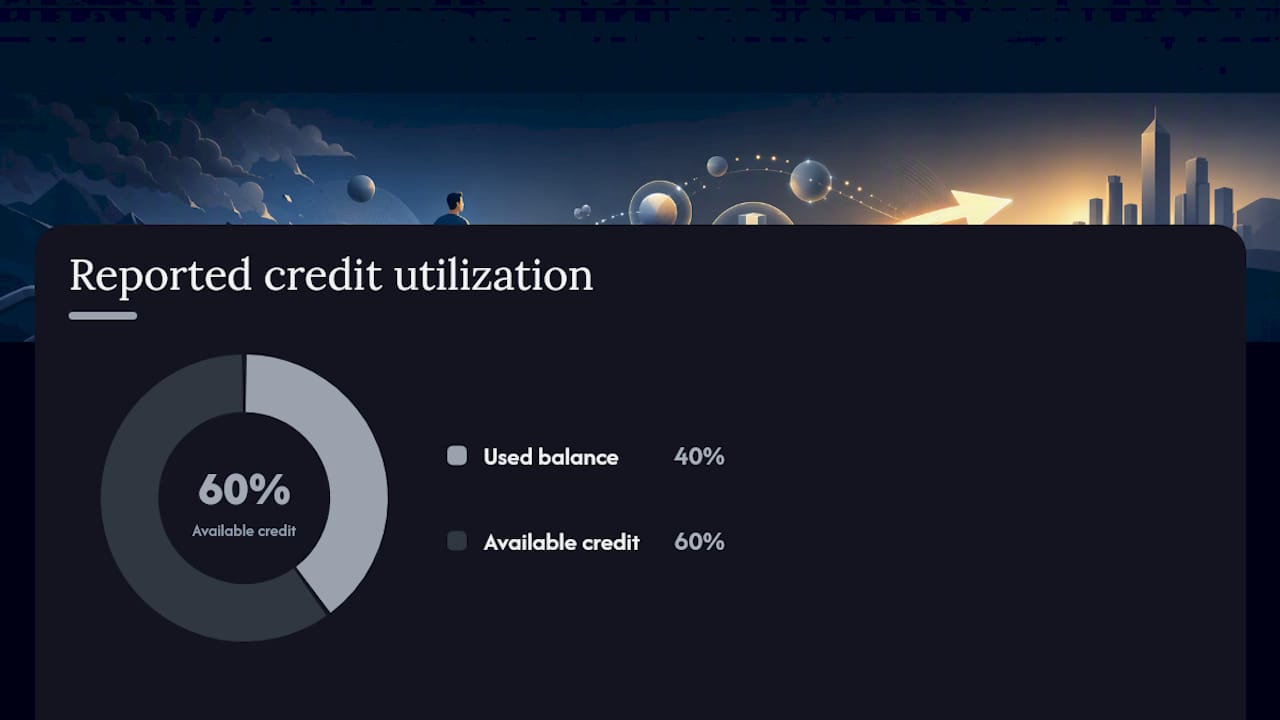
Utilization is the second lever, and it's the one people misunderstand most. It's calculated by dividing your card balances by your credit limits. Say you have a $10,000 limit across two cards and a combined balance of $4,000. The research is consistent that lower utilization performs better than simply staying under an arbitrary 30% line.
Practical ways to push utilization down:
- Pay before your statement closing date, not just the due date, since balances usually report to bureaus on the statement date.
- Split one payment into two throughout the month.
- Request a credit limit increase, but only if it won't trigger a hard inquiry you don't need.
- Keep old, no-fee cards open. Closing them can shrink your available credit and average account age, which usually works against you.
If you have thin credit history, a secured card or credit-builder loan can establish payment data without much risk. Becoming an authorized user on a family member's well-managed card works too, though it depends entirely on their habits, not yours. For a breakdown of which of these fits your situation, credit mix strategies covers the trade-offs in more depth, and understanding how utilization ratios are calculated can help you set your own paydown targets.
Pro Tip: Multiple small payments throughout the month can drop your reported utilization even if your total monthly payment doesn't change.
Should You Use Credit Counseling or a Paid Repair Service?
Nonprofit credit counseling agencies can build you a realistic budget and negotiate directly with creditors, usually for free or a small fee, and without promising overnight results. That's the legitimate path when your debt load feels unmanageable on your own.
Paid credit-repair companies are a different story, and the FTC has been blunt about it: no company can legally remove accurate, timely negative information from your report. Watch for these red flags:
- Guarantees to erase accurate negative marks.
- Requests for payment before any service is performed.
- Instructions to avoid contacting the credit bureaus yourself.
If you ever do sign with a credit-repair company, federal law requires a written contract describing exactly what they'll do, plus a three-day right to cancel with no penalty. Most of what these companies do, you can do yourself using the dispute process outlined earlier, for free.
Your Weekly Credit Recovery Checklist
Print this or save it somewhere you'll actually see it:
- Week 1: Pull all three reports from AnnualCreditReport.com and log every account and balance.
- Week 1: Flag inaccurate items and start drafting disputes.
- Week 2: Enroll in autopay for every recurring bill, or set calendar reminders if autopay isn't an option.
- Week 2: Make one extra payment toward your highest-utilization card before the statement closes.
- Ongoing: Keep a small recurring charge on old cards to keep them active, and hold off on new credit applications for now.
For a version of this you can revisit monthly, the full checklist breaks it down further.
A Note on Patience and Discipline
Rebuilding credit rewards consistency, not urgency. Most of what a paid "repair" company claims to offer, you can do yourself for free, often better, because you know your own accounts. Time and discipline are the real levers here.
How Finja Helps You Stay on Track While You Rebuild
Juggling due dates and balances across several cards is exactly where recovery plans fall apart. Finja is built for that specific problem: an AI-driven view of every card in one place that flags which balance to pay down first to cut your utilization fastest, and which payments to automate so nothing slips into a late mark again.
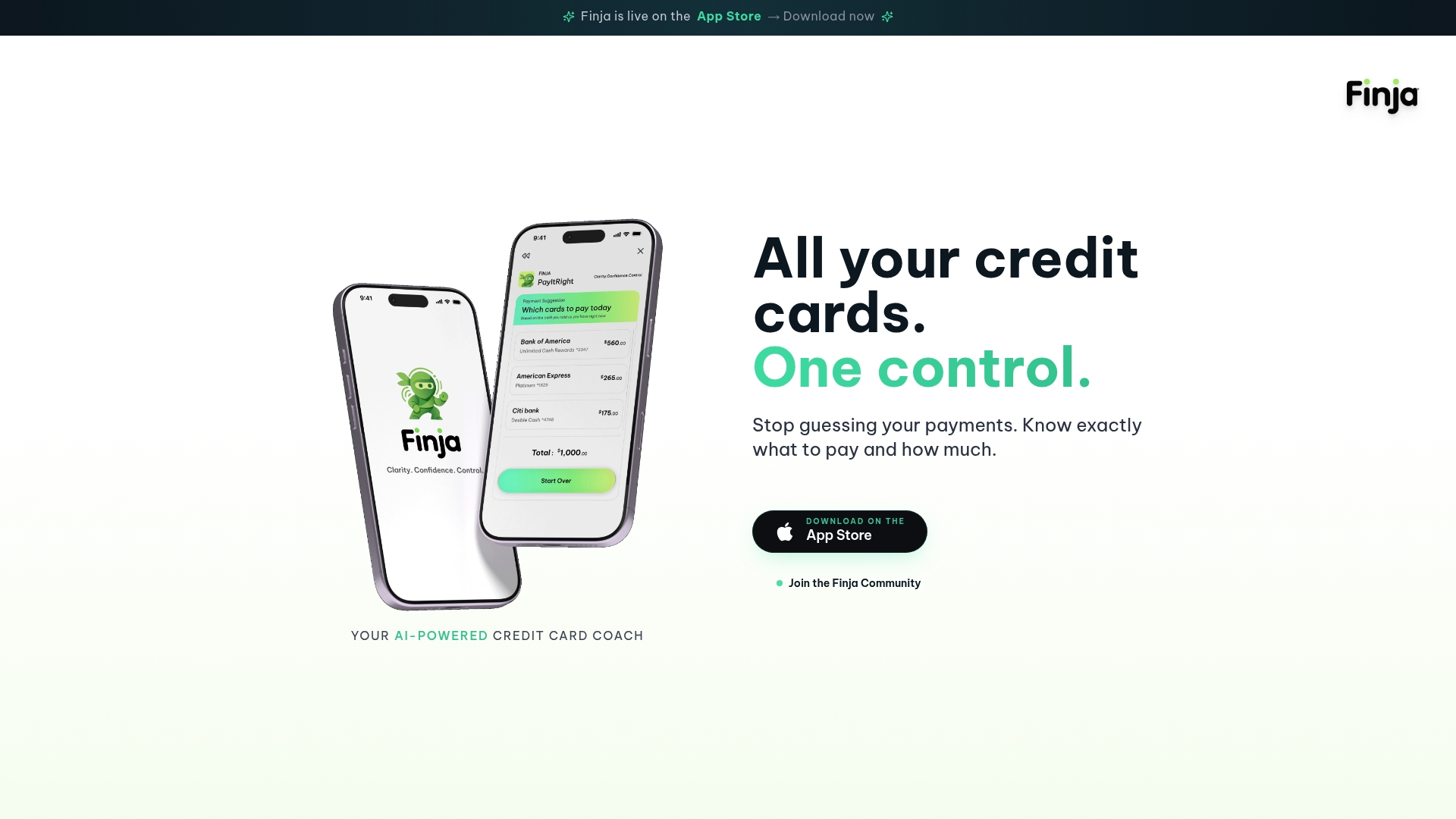
Instead of guessing which card to pay this week, Finja's payment-optimization engine looks at your balances and limits and tells you exactly where a payment does the most good for your score. It also tracks your credit health over time, so you can watch utilization drop instead of hoping it did. If you're managing more than one card during a recovery period, start with Finja and let it handle the prioritization while you focus on staying current.
Frequently Asked Questions
How long does it take to fix damaged credit history? Meaningful improvement often starts within 90 days once utilization drops and payments stabilize, but a full recovery from serious delinquencies typically takes 12 to 24 months of consistent behavior.
How long do negative items stay on a credit report? Most negative items, including late payments, remain for about 7 years, while Chapter 7 bankruptcy can stay for up to 10.
Can I dispute a debt I actually owe? You can only dispute inaccurate, incomplete, or unverifiable information. If the debt is accurate, focus on negotiating payment terms instead of disputing it.
Do credit repair companies actually work? Legitimate credit-repair services can only do what you're legally entitled to do yourself, like disputing errors. Anyone promising to erase accurate negative information is misrepresenting what's possible.
Will closing an old credit card help my score? Usually not. Closing a card can lower your available credit and shorten your average account age, both of which tend to hurt your score rather than help it.
This article is general information, not a substitute for advice from a qualified financial advisor. Consult a qualified financial professional about your own circumstances before acting on anything here.
Sources
The guidance in this article draws directly from federal consumer-protection resources and MyFinja's own explainers on credit behavior.
- What Actually Moves Your Credit Score in 2026 (The Motley Fool)
- How to rebuild your credit (CFPB)
- Disputing errors on your credit reports (FTC)