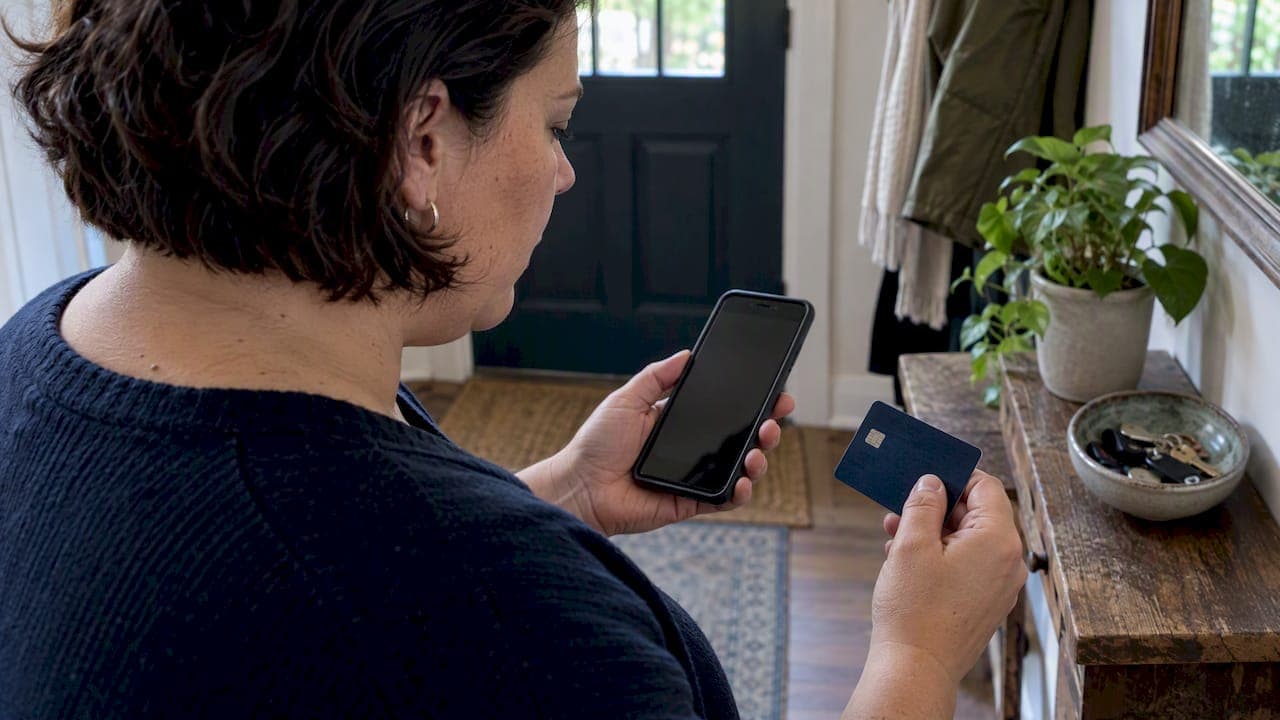
Yes, an issuer can close your card, and in most cases it doesn't have to warn you first. You still owe whatever balance is left, and interest keeps running. Reopening is sometimes possible if you move quickly, but it depends on your issuer and the reason it pulled the plug.
TL;DR:
- Issuers may close inactive cards on different schedules; a purchase at least once every three months is a common rule of thumb, not a guarantee.
- Call immediately: some banks allow reactivation within roughly 15–30 days after voluntary closure, but others require a new application and hard credit pull.
- Keep paying at least the minimum on time because closure does not erase debt or stop interest, and check the next statement for trailing interest.
- Move subscriptions and other automatic charges to another card or bank account, since closed card payments will be declined and may trigger fees.
- Dispute inaccurate reporting with both bureaus and the lender; they generally investigate and respond within about 30 days, while reduced limits can raise utilization.
Table of Contents
- Why do issuers close credit card accounts?
- Can you reopen a closed credit card?
- What happens to your balance, interest, and payments after closure?
- How does a closed card show up on your credit report?
- What should you do in the first 7 days after a closure?
- Why do the first 48 hours matter most?
- A calmer way to look at a closure
- How can Finja help you after a card is closed?
- FAQ
- Sources
Why do issuers close credit card accounts?
Knowing the likely cause tells you whether to ask for a reopening or dispute an error. Most closures trace back to a handful of triggers:
- Inactivity: Issuers may shut cards that sit unused, since a dormant account costs them money and earns them nothing. Experian notes a common rule of thumb is to use a card at least once every three months.
- Delinquency or breached terms: Late payments or violations of the cardholder agreement can trigger a closure.
- Declined term changes: If the issuer changes your terms and you opt out, it may close the account instead.
- Creditworthiness updates: A big shift in your credit score or income can prompt a review.
- Product discontinuation: The issuer retires a card product and closes or migrates accounts.
Inactivity timelines are not universal. Quicken Loans points out that policies differ by issuer, so a card that remains open at one bank might be closed at another after far less time.
Can you reopen a closed credit card?
Sometimes. You have two possible outcomes: reactivating the same account, or applying for a new one. Reapplying usually means a hard credit pull and a fresh approval decision.

NerdWallet reports that some banks allow reactivation within roughly 15–30 days for voluntary closures, while others require a new application. The Points Guy adds that inactivity closures are easier to reverse than closures triggered by delinquency, and that Chase typically requires a new application and hard pull. If you fell behind on payments, expect to negotiate a payoff or settlement instead of a reopening.
When you call, work through this sequence:
- Ask exactly why the account was closed.
- Request that it be reopened or reactivated.
- Ask whether reopening requires a hard credit pull.
- Ask what the next steps are, and request them in writing.
Pro Tip: Call as soon as you see the closure. Reactivation windows are short, and approval is never guaranteed.
What happens to your balance, interest, and payments after closure?
Closing the account does not close the debt. The CFPB confirms that you remain obligated to repay the balance, and the issuer can keep charging interest until it's paid. The CFPB also states that you must still pay at least the minimum amount until the full balance is gone.
Here is what to watch:
- Keep making at least the minimum payment on time, and check your next statement for trailing interest.
- If you plan to negotiate a payoff or hardship plan, get the terms in writing and ask how the account will be reported afterward.
- Move recurring charges such as subscriptions and utilities to another card or your bank account, because autopay attempts on a closed card will be declined.
- Look for returned-payment fees, and fix any failed autopay before it snowballs into a late payment elsewhere.
How does a closed card show up on your credit report?
A closed account in good standing can stay on your reports for years, while one closed over delinquency is reported differently. The bigger immediate issue is math: when a card with a limit disappears, your total available credit shrinks.
- Utilization is the first hit. Less available credit means the same balances take up a larger share of your limits. Check your totals across all cards, not just the closed one.
- Account age changes slowly. Your average age of accounts may shift over time, but utilization is usually the bigger short-term factor.
- Errors are disputable. If the closure or status is wrong, you can dispute it with both the credit bureaus and the lender that reported it.
The CFPB says you have the legal right to dispute incorrect information with both the credit reporting company and the furnisher, which generally must investigate and respond within about 30 days.
For more on how this plays out, see our breakdown of why canceling old cards hurts your credit score.
What should you do in the first 7 days after a closure?
Work through these in order:
- Pull your credit reports from AnnualCreditReport.com to see how Equifax, Experian, and TransUnion show the account.
- Call the issuer with your account number and recent statements handy. Ask for the reason, your reopening options, and written confirmation.
- Move automatic charges to another card or bank account to avoid declines and fees.
- If the closure looks mistaken, file disputes with the bureaus and the lender, and keep copies of everything you send and receive. The CFPB's dispute handout lists contact channels for all three bureaus.
- Make targeted payments on your other cards to bring utilization down. Paying before the statement date can lower the balance that gets reported.
Pro Tip: Resist the urge to close other cards in response. It shrinks your available credit further.
Why do the first 48 hours matter most?
Speed gives you options that fade fast. Equifax's guidance recommends pulling a fresh credit report right after you learn of a closure, so you can see how the account was reported and pick the right response.
- Check the report first to learn whether the closure was issuer-initiated or reported incorrectly.
- Call quickly, since some issuers allow reactivation only within a short window.
- Document every interaction and ask for email or mailed confirmation to support any dispute or appeal.
- Reroute recurring charges before failed payments cause a second problem.
Equifax also advises against closing other healthy cards in retaliation, because it compounds the damage by cutting total available credit and shortening average account age.
A calmer way to look at a closure
A closed card feels personal, but it usually isn't. In my experience reading through issuer policies and consumer guidance, most closures are fixable or at least manageable, and the people who do worst are the ones who panic. Slow, scattered responses cost you reopening windows, and closing other cards in frustration makes your utilization and account-age picture worse. Stay boring and methodical: document every call, ask for confirmation in writing, and protect your utilization.
— Grace K.
How can Finja help you after a card is closed?
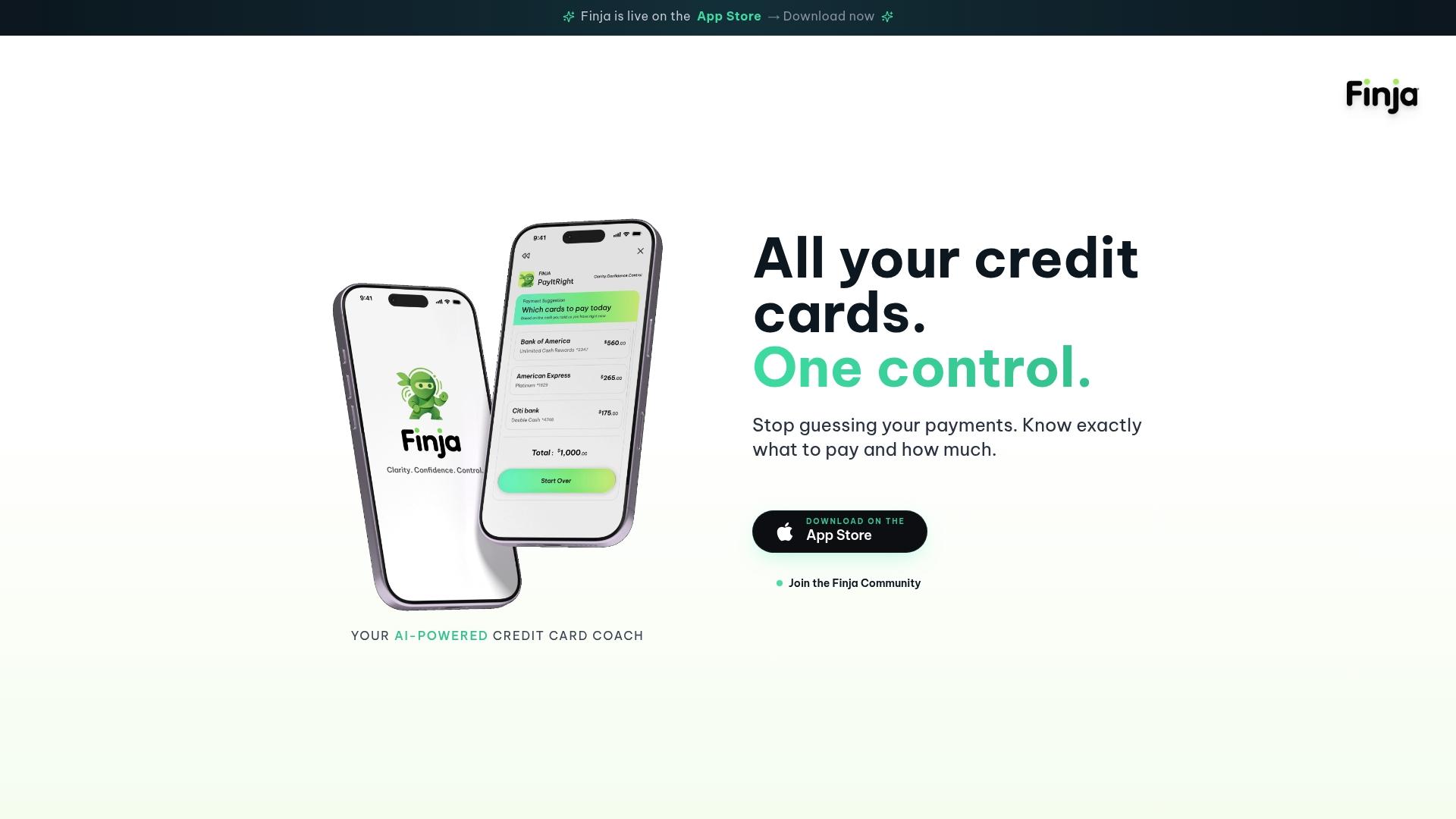
A closure is a good moment to see all your balances in one place. We built Finja to consolidate your cards into a single dashboard and suggest payment timing and amounts that can help reduce interest. Our payment recommendations can help you decide which balances to tackle first, and you can start with our AI-powered credit card coach.
This article is general information, not a substitute for advice from a qualified financial advisor. Consult a qualified financial professional about your own circumstances before acting on anything here.
FAQ
Why was my credit card closed by the bank?
Common reasons include inactivity, late payments or breached terms, declined changes to your agreement, a shift in your credit profile, or the issuer retiring the card product. Call and ask for the specific reason, then request it in writing.
Can I still use a card my issuer closed?
No. Once an account is closed, new purchases are declined. You still owe the existing balance, and the issuer can continue charging interest until it's paid off.
How often should I use a card to avoid closure?
A widely cited rule of thumb is to make a purchase at least every three months. Issuer policies differ, so a small recurring charge paid off in full is a safer habit.
What is the biggest killer of credit scores?
Late or missed payments typically do the most damage, since payment history carries heavy weight in scoring. A closure's effect is usually milder and tied to utilization. If your score fell sharply, our guide to triaging a score drop by cause can help you find the culprit.