
Hard inquiries stay on your credit report for up to two years, but they typically stop affecting your FICO score after about 12 months. A single inquiry usually costs a few points, and most of that damage fades within a few months. VantageScore models handle the timeline a bit differently, which is where a lot of the confusion online comes from.
TL;DR:
- Hard inquiries remain visible on your credit report for up to 24 months, but their impact on your FICO score typically fades after about 12 months.
- Score models like FICO usually stop counting inquiries after roughly one year, while some VantageScore models may consider them for up to 24 months.
- The average score penalty for a single hard inquiry ranges from 3 to 10 points and diminishes within a few months, especially if your credit profile is established.
- Grouping rate shopping applications within a 14 to 45 day window can reduce their combined impact on your score, but each inquiry will still be visible individually on your report.
- Dispute unauthorized inquiries only if you suspect fraud, since legitimate ones cannot be removed early; otherwise, focus on managing the timing of your applications.
Table of Contents
- What Is a Hard Inquiry, and How Is It Different From a Soft Inquiry?
- How Long Do Hard Inquiries Stay on Your Credit Report vs. How Long Do They Affect Your Score?
- How Much Does a Hard Inquiry Actually Cost Your Score?
- Rate Shopping: Why Multiple Inquiries Sometimes Count as One
- What to Do About an Unauthorized or Inaccurate Hard Inquiry
- Practical Ways to Plan Around Hard Inquiries
- Our Take on Managing Hard Inquiries
- Plan Your Next Credit Move Before You Apply
- Where to Verify These Timelines Yourself
- Sources
What Is a Hard Inquiry, and How Is It Different From a Soft Inquiry?
A hard inquiry happens when a lender pulls your credit report because you applied for something: a credit card, an auto loan, a mortgage, an apartment lease, or a new phone plan. A soft inquiry happens when you check your own score, a card issuer runs a preapproval check, or an employer does a background screen. Only hard inquiries touch your credit score.
Common triggers for a hard pull include:
- Applying for a new credit card or personal loan
- Financing a car, especially when a dealer submits your application to several lenders at once
- Applying for a mortgage or refinancing an existing one
- Signing up for a new utility, cell phone plan, or apartment lease that requires a credit check
Lenders see hard inquiries as a signal that you're actively seeking credit, and other lenders reviewing your file can see them too. If you spot an inquiry from a company you've never heard of, don't panic yet. It's often a finance company or dealer submitting your application under a name that doesn't match what you filled out on the form.
How Long Do Hard Inquiries Stay on Your Credit Report vs. How Long Do They Affect Your Score?

These are two separate clocks, and mixing them up is the single biggest source of confusion on this topic. Under the Fair Credit Reporting Act, a hard inquiry stays visible on your report for two years from the date it was made. Lenders reviewing your file during that window can see every application you've made, even ones from 18 months ago.
Your score is a different story. Experian notes that most FICO scoring models stop counting an inquiry after roughly 12 months, meaning the score-lowering effect disappears long before the inquiry disappears from the report itself.
The two timelines at a glance:
- Report visibility: up to 24 months (FCRA standard)
- FICO scoring impact: roughly 12 months
- VantageScore: myFICO notes some VantageScore models can factor in inquiries for up to 24 months, which is why your score after hard inquiries can look slightly different depending on which model a lender uses.
That gap between visibility and impact explains why you might see an old inquiry sitting on your report with seemingly no effect on your score. It's still there, but it's no longer counted in the score calculation.
How Much Does a Hard Inquiry Actually Cost Your Score?
For most people, one hard inquiry knocks off somewhere between 3 and 10 points, and that hit starts fading within a few months even before it hits the 12 month mark where FICO stops counting it entirely. If you have a thin credit file, meaning only one or two accounts and a short history, the drop can run higher because there's less established data to soften the effect.
A few things shape how hard the impact lands:
- Utilization: if you're already carrying high card balances, a new inquiry stings more
- Account age: a longer credit history absorbs a new inquiry more easily than a file that's only a year or two old
- Recent activity: several inquiries clustered close together (unrelated to rate shopping) tend to compound the damage rather than each costing a flat few points
Pro Tip: Check your score again about 30 days after applying for new credit. If it's dropped more than 10 to 15 points and you've only applied for one thing, something else on your report likely changed, not the inquiry itself.
One inquiry from a routine credit card application is rarely worth losing sleep over. Get concerned if you see inquiries you didn't authorize, or if you're stacking several unrelated applications in the same month.
Rate Shopping: Why Multiple Inquiries Sometimes Count as One
Shopping for the best mortgage, auto loan, or student loan rate would be a nightmare for your score if every lender's pull counted separately. FICO built a workaround for exactly this situation. myFICO explains that modern FICO models group similar inquiries made within a specific window and count them as a single inquiry for scoring purposes.
- Know your window. Newer FICO versions use roughly a 45 day grouping window; older versions use a tighter 14 day window, so compressing your applications matters more than most people realize.
- Stick to one loan category at a time. Grouping applies within mortgage, auto, or student loan shopping, not across categories, so shopping for a mortgage and a car loan in the same week still generates two separate scoring events.
- Front load your comparisons. Get all your rate quotes for the same loan type within a short span, ideally two to three weeks, rather than spreading applications out over a month or more.
- Expect the report to show every pull. Grouping affects your score, not what's visible. Lenders will still see each individual inquiry on your report.
Timing your applications tightly is one of the few places where you have real control over the outcome.
What to Do About an Unauthorized or Inaccurate Hard Inquiry
Start by checking the lender name listed next to the inquiry on your report. Experian points out that an unfamiliar name is often a dealer, broker, or financing partner submitting your application under a different legal name, not necessarily fraud. Call that company first before assuming the worst.
If the lender confirms they never received an application from you, it's time to escalate:
- Dispute it with the credit bureau showing the inquiry. CFPB guidance walks through how to file that dispute in writing.
- File an identity theft report with the FTC if you suspect fraud, and consider freezing your credit while it's investigated.
- Gather your paperwork before you call anyone: copies of any applications you did submit, dates, and any emails or texts from lenders you contacted.
TransUnion is clear that legitimate inquiries can't be removed early no matter how much you'd like them gone. Disputes exist for errors and fraud, not for inquiries you simply regret making.
Practical Ways to Plan Around Hard Inquiries
The smartest move isn't avoiding credit applications out of fear. It's knowing roughly what an application will cost you before you submit it. Capital One's consumer guidance backs this up directly: avoiding necessary credit out of fear of a small, temporary score dip generally does more harm than the inquiry itself.
A credit score simulator lets you test a scenario, like opening a new card or applying for a loan, before you commit, so you're not guessing.
- Run the numbers through a simulator before applying, especially if you're planning a big purchase soon after
- Cluster rate-shopping applications into a tight window rather than spreading them out
- Avoid unrelated applications (a new store card, a personal loan, a mortgage preapproval) all in the same month
- Focus your energy on utilization and payment history, since those two factors carry far more weight long term than any single inquiry
Pro Tip: If you're planning a mortgage application in the next few months, hold off on opening any new credit cards until after you close. Lenders reassess your file right before funding, and a fresh inquiry at the wrong moment can complicate underwriting.
Knowing your FICO score versus VantageScore also matters here, since the two models don't always weigh timing the same way.
Our Take on Managing Hard Inquiries
Hard inquiries are one of the most predictable, manageable pieces of your credit profile, yet they cause a disproportionate amount of anxiety. Legitimate inquiries are routine and temporary. Save disputes for actual errors or fraud, and use data and simulation tools instead of guesswork for everything else. That's the mindset that guides on credit management are built around.
— Grace K.
Plan Your Next Credit Move Before You Apply
Some financial tools give you a clearer picture than guesswork or a generic online calculator. Instead of applying and hoping your score holds up, you can model the scenario first: a new card, a loan, a rate-shopping run, and see the likely impact before you submit anything.
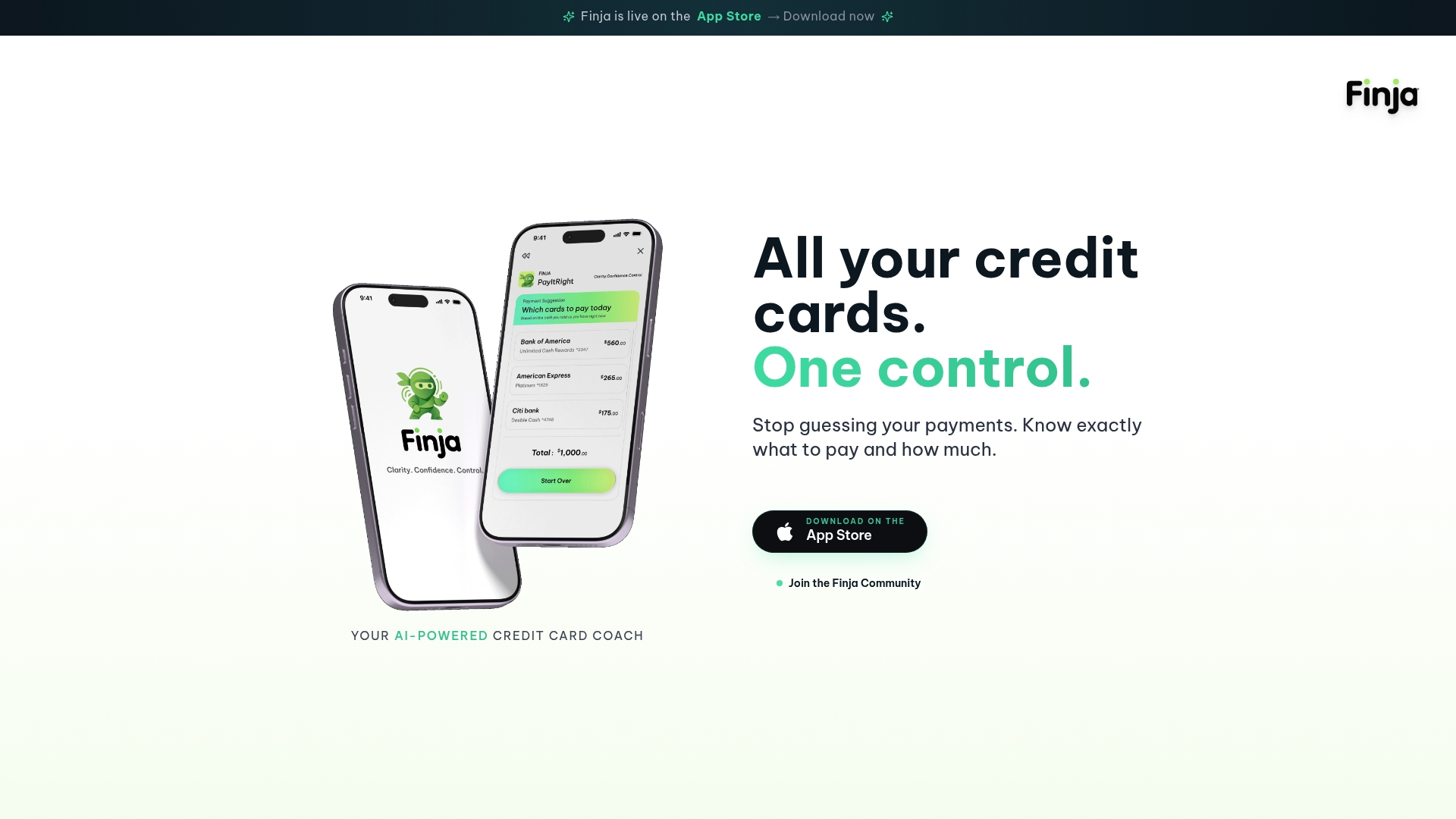
The platform pulls your existing cards and balances into one view, then layers in AI-driven planning so you can sequence applications, avoid unnecessary clustering, and time bigger moves like a mortgage around your current utilization. It's a forecasting tool, not a substitute for disputing an error. If you find an inaccurate inquiry, that still goes through the credit bureau and CFPB, not through an app. But for the everyday question of "will this hurt my score, and by how much," Finja gives you a real answer instead of a guess. Start a free trial and run your next credit decision through the simulator before you apply.
Where to Verify These Timelines Yourself
- CFPB covers your legal dispute rights under federal law
- FTC explains how to get free credit reports and report identity theft
- TransUnion and Experian outline bureau-level policy on inquiry retention
- myFICO explains exactly how FICO's scoring models treat inquiry timing
Sources
- How Long Do Hard Inquiries Stay on Your Credit Report? — Experian
- The timing of hard credit inquiries — myFICO
- How do I dispute an error on my credit report? — CFPB
- What is a hard inquiry? — TransUnion