
Credit reports update whenever lenders send new information, which typically happens on a monthly cycle often tied to a 30 to 45 day billing cycle depending on the creditor. Credit scores update whenever a score is requested or the underlying report changes, so there's no fixed "update day." A score can shift a few points from one week to the next simply because one bureau received a report and another hasn't yet.
TL;DR:
- Credit reports update only when lenders send new information, which can happen on different days for each bureau, usually within a 30 to 45 day window.
- Credit scores are generated on request and typically recalculate at least monthly, but can fluctuate due to timing differences between bureaus and scoring models.
- Changes like paying down balances or opening new accounts usually take one or two reporting cycles to appear, so patience is necessary before confirming updates.
- Using free weekly reports from AnnualCreditReport.com and monitoring your statement dates helps track and verify your credit progress more reliably.
- Minor score variations over a short period often result from reporting timing, not actual credit changes, so wait at least one full cycle before reacting.
Table of Contents
- How Often Do Credit Reports and Scores Actually Update?
- Why "Monthly" Doesn't Mean the Same Day Every Time
- When Will Your Actions Actually Show Up?
- Where to Check Your Reports and Scores Without Guessing
- Is That Score Drop a Real Problem or Just Noise?
- Turning Statement Dates Into a Monitoring Habit
- Why Timing Beats Daily Score-Watching
- A Tool for Putting This Timeline Into Practice
- Sources
How Often Do Credit Reports and Scores Actually Update?
Reports and scores update on two different clocks, and mixing them up is where most of the confusion starts. Your credit report only changes when a lender, collector, or other data furnisher sends new account information to a bureau. Experian notes that furnishers report on their own schedules, which means your file at Equifax, Experian, and TransUnion can change on three completely different days for the same account.
Your score works differently. It's not stored, it's generated. Experian's guidance is direct: your score recalculates every time it's requested, and you can generally expect it to update at least monthly.
Three things drive the differences you'll see between bureaus and tools:
- Lenders often report to one bureau a few days before another.
- Some smaller creditors report to only one or two bureaus, not all three.
- Different scoring models (FICO versus VantageScore, for example) weigh the same data differently, producing different numbers from identical files.
That last point explains why your bank app and a bureau-branded tool can show two different scores on the same day, even when nothing in your file has changed.
Why "Monthly" Doesn't Mean the Same Day Every Time
Most credit card issuers and lenders report account activity on a cycle tied to your billing statement, not the calendar. TransUnion's consumer guidance confirms there is no standard update day across the industry, and most furnishers land somewhere in a 30 to 45 day window.
A few patterns worth knowing:
- Reporting usually happens shortly after your statement closing date, not on your payment due date.
- The same lender can report to Experian on the 3rd and to Equifax on the 9th for the same account.
- New accounts often take several reporting cycles to appear on reports, which can mean they take a month or more to show up after opening.
If you opened a card in early January and haven't seen it on your report by late January, that's normal. Give it a full cycle before you assume something's wrong.
When Will Your Actions Actually Show Up?
This is the question most people actually want answered: you did something, so when does it count? The honest answer is "after your next reporting cycle," but the specifics vary by action.
- Paying down a balance: Utilization typically drops on your report after your card issuer's next statement close, which is often around 30 days out. Pay a big balance the day after your statement closes, and you'll likely wait a full cycle to see the lower number reflected, since Experian explains issuers report the balance as of the statement date, not your current balance.
- Missing a payment: Late marks generally post after the due date passes and get recorded in 30, 60, and 90 day delinquency stages.
- New accounts and hard inquiries: Inquiries can appear within days, but full account details, including your first reported balance, often take 30 to 60 days.
- Disputes: Bureaus have set investigation windows, but when a correction shows up depends on which bureau's file changed and when it was checked next.
Pro Tip: If you want a lower balance to show up faster, pay down your card a few days before the statement closing date instead of after it. That's the number your issuer reports, not your balance on payment due date.
Where to Check Your Reports and Scores Without Guessing
You don't need to pay for constant score access to stay informed. The FTC confirms that weekly free access to your report at all three bureaus through AnnualCreditReport.com is now permanent, which is the single best tool for catching errors across all three files without a subscription.
Beyond that baseline, a few other sources fill different roles:
- AnnualCreditReport.com: Free weekly pulls from Equifax, Experian, and TransUnion. Best for spotting inaccuracies, not for daily score tracking.
- Bank or card issuer apps: Many show a score for free, but confirm which bureau and which scoring model it's pulling from before comparing it to another source.
- Credit monitoring apps: Useful for near-daily alerts on new inquiries or accounts, though the score shown may update on a different schedule than the underlying report.
Knowing which source you're looking at matters more than checking often.
Is That Score Drop a Real Problem or Just Noise?
A five or ten point swing over a week or two is usually reporting timing, not a red flag. TransUnion's own guidance is that consumers should give any action at least one full reporting cycle before judging whether it worked.
Before reacting, check two things:
- Pull the specific bureau report where the change appeared and look at the actual account entry, not just the headline score.
- Confirm the reported balance and payment date match what you expect for that account.
File a dispute right away for anything that looks like an outright error, like a payment marked late that you paid on time. For everything else, like a balance you already paid down, wait one cycle and check again before assuming the fix didn't work.
Turning Statement Dates Into a Monitoring Habit
The single most useful thing you can do is build a small calendar of your statement closing dates, one per card, and check your reports a few days after each one. That's when the reporting for that account is most likely to have landed.

Pair that with a weekly AnnualCreditReport.com pull for accuracy checks, and a monitoring app for faster alerts on new inquiries or accounts you didn't open. Consolidated card management tools are built around exactly this kind of tracking: surfacing each card's statement close date in one place and flagging when paying early would lower what actually gets reported, instead of leaving you to reconstruct five different billing cycles from memory.
Why Timing Beats Daily Score-Watching
Understanding statement cycles saved me from chasing phantom score drops that weren't drops at all, just one bureau reporting before another. The people who get the most out of tracking their credit aren't the ones checking daily. They're the ones who know their own reporting calendar and check with intention instead of anxiety.
— Grace K.
A Tool for Putting This Timeline Into Practice
Knowing your reporting cycles is one thing. Actually tracking five different statement close dates across five different cards without a spreadsheet is another. Some tools exist for that gap: they are designed for people juggling multiple credit cards who want one place to see every statement closing date, get suggested payment timing to lower reported utilization, and track how their credit health moves as reports actually update.
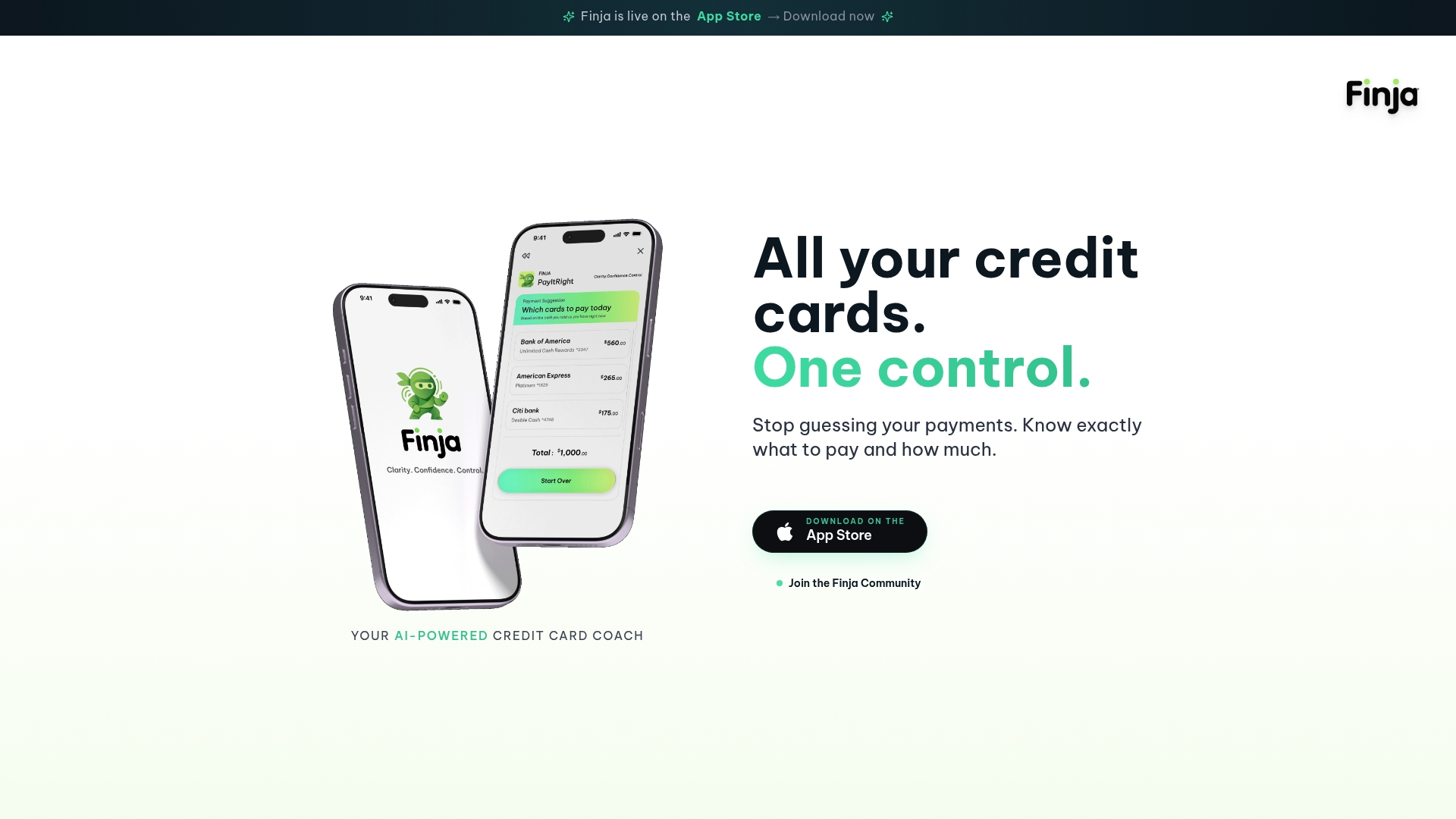
Instead of guessing whether a balance paid last Tuesday made this week's cycle, some apps surface the dates that matter for each card and flag when paying a few days early would change what gets reported next. If you're managing more than one or two cards and want that timing handled for you rather than tracked by memory, you can start with Finja and see your accounts, statement dates, and payment suggestions in one view.
This article is general information, not a substitute for advice from a qualified financial advisor. Consult a qualified financial professional about your own circumstances before acting on anything here.
Sources
- How Often Is a Credit Report Updated? | Experian
- How Often Do Credit Reports and Scores Update? | TransUnion
- Free credit reports | Federal Trade Commission