
Most balance transfers post within a few business days to three weeks, with 2 to 21 days covering the typical range. New accounts and transfers between issuers that process requests manually can stretch that to six weeks. Until your old card shows a $0 balance or the transfer confirmed, keep making at least the minimum payment on that account.
TL;DR:
- Most balance transfers are completed within 2 to 21 days, but delays can extend to six weeks for new accounts or manual processing.
- Transferring large amounts, using multiple transfers, or having data mismatches can significantly slow down processing times.
- Confirm transfer completion by checking for a zero balance on the old card and a posted transfer on the new card, and save documentation for disputes.
- Timing the transfer early in a billing cycle and maintaining payments on both cards prevents interest charges and preserves promotional benefits.
- A balance transfer can temporarily lower your credit score due to a hard inquiry but typically improves utilization, aiding your score over time.
Table of Contents
- Typical timeline and issuer-specific expectations
- Factors that affect processing time
- How to track a balance transfer and confirm completion
- What to do if a balance transfer is delayed or denied
- How to time a balance transfer so you don't lose grace periods or intro benefits
- How balance transfers affect credit score and utilization
- Practical tactics for payment-allocation and payoff planning
- When I recommend a balance transfer
- Optional tool: an AI credit card coach for tracking transfer timing
- FAQ
- Sources
Typical timeline and issuer-specific expectations
Balance transfer timing depends heavily on which issuer is receiving the transfer and whether your account is new. The fastest transfers, often between cards issued by the same bank, can post in a few business days. Transfers between different banks typically take longer because they rely on manual verification steps rather than instant electronic matching.
Most issuers fall into a predictable window: 2 to 21 days for standard processing, with some pushing to six weeks in special circumstances. Discover, for example, typically requires about 14 days for new accounts before a transfer can be initiated, while Chase and Citi commonly state windows of up to 21 days for their standard processing.
| Issuer | Stated timing window |
|---|---|
| American Express | New-account waiting period applies before transfers can begin |
| Bank of America | Standard processing within the typical 2 to 21 day range |
| Capital One | Standard processing within the typical 2 to 21 day range |
| Chase | Up to 21 days |
| Citi | Up to 21 days |
| Discover | New accounts: approximately 14 days before transfer eligibility |
| Wells Fargo | Standard processing within the typical 2 to 21 day range |
A transfer moves through three distinct stages, and knowing which one you're in matters:
- Pending: the new issuer has accepted your request and is verifying details with the old account.
- Posted: the balance now appears on your new card's statement as transferred debt.
- Paid: the old issuer has received the funds and reduced or zeroed that balance.
A transfer can show as posted on the new card before the old account reflects payment, which is normal and not a sign of a problem.
Factors that affect processing time
Several variables push a transfer toward the faster or slower end of the typical window.
- New account status: many issuers impose a mandatory waiting period before a newly opened card can accept transfer requests.
- Data mismatches: an incorrect account number, wrong Social Security number, or mismatched billing address can trigger manual review and add days.
- Multiple transfers at once: requesting transfers from several cards simultaneously often slows each one, since issuers process them individually.
- Large transfer amounts: bigger balances sometimes require additional verification before the receiving issuer releases funds.
- Transfer method: electronic transfers between major issuers tend to move faster than transfers requiring a mailed check to the old creditor.
Pro Tip: Double-check your old account number and billing zip code before submitting the request. A single digit error is one of the most common reasons transfers stall in manual review.
How to track a balance transfer and confirm completion
Checking status takes only a few minutes if you know where to look.
- Log into your new card's online account and find the "pending transactions" or "transfer status" section, which usually lists an expected posting date.
- Confirm completion by checking both accounts: the old card should show a $0 balance (or a reduced one matching the transfer amount), and the new card should list it as posted, not pending.
- If anything looks off, contact the receiving issuer first since they initiated the request, and have your account numbers, confirmation ID, and submission date ready.
- Save screenshots or PDF statements from both accounts at each stage, which helps resolve any dispute quickly if a trailing charge or timing error comes up later.
What to do if a balance transfer is delayed or denied
A delay is frustrating but usually fixable without losing money or damaging your credit.
- Keep paying both accounts as normal until you have confirmation the transfer posted, since a missed payment during the pending window can still trigger late fees or reporting.
- Contact both issuers: the receiving bank can tell you where the request stands, and the old issuer can confirm whether anything was received.
- Check that the transfer amount didn't exceed your new card's credit limit, a common reason for a denial or partial transfer.
- Correct any account number or personal information errors and resubmit, or ask the issuer to manually intervene if the system flagged something incorrectly.
- If the issuer is unresponsive, ask for a supervisor and request a resolution timeframe in writing; a complaint to the Credit Card Surcharge California office is a legitimate next step if the delay drags on.
How to time a balance transfer so you don't lose grace periods or intro benefits
Getting the timing right protects both your credit card grace period and the full value of a promotional rate.
- Never stop payments on the old card until you have confirmed the transfer posted. Under federal guidance, interest on the transferred balance generally starts accruing once it posts to the new account, and stopping payments early can trigger late fees or delinquency reporting on the original card.
- Initiate the transfer early in a billing cycle rather than near the statement cutoff. Requests submitted close to a cutoff date can lead to partial posting if new purchases hit the old account after your request goes through.
- Activate the new card immediately after approval so there's no added delay before the transfer request can even begin processing.
- Calculate your payoff schedule before transferring. Say you move a $5,000 balance with a 3% transfer fee, adding $150 to the principal for a total of $5,150. Spread over a 15-month 0% intro period, that's roughly $344 a month to clear it before interest kicks in, a calculation MyFICO recommends doing before you commit.
Pro Tip: Set autopay to cover at least the minimum on your old card for two billing cycles after requesting the transfer. That buffer protects you if processing runs longer than expected.
Before transferring, confirm the card's available transfer limit, any waiting period for new accounts, and the exact length of the promotional window so your payoff math matches reality.

How balance transfers affect credit score and utilization
A balance transfer can help or hurt your score depending on how you use it. Experian notes that transfers can improve utilization once the balance moves, but the application itself triggers a hard inquiry and may lower your average account age, both of which can cause a short-term dip.
- Short-term effects: a hard inquiry and a newer average account age can shave a few points off your score temporarily.
- Medium-term benefit: consolidating onto one card often lowers your overall utilization ratio, which tends to help your score as balances come down.
- Mitigation: keep older accounts open rather than closing them, avoid opening multiple new cards in a short span, and monitor your score as the transferred balance gets paid off.
Practical tactics for payment-allocation and payoff planning
Smart allocation after a transfer often means directing any extra payment toward the balance with the highest remaining interest rate first, rather than splitting payments evenly across cards. Setting autopay for at least the minimum due, with a buffer covering two billing cycles, protects against missed payments while a transfer is still pending.
- Prioritize payoff of the card with the shortest remaining promotional window before it reverts to a standard rate.
- Build a one or two cycle payment buffer into autopay so a slow transfer never causes a missed due date.
- A transfer tends to beat a personal loan when you can realistically pay off the balance within a 12 to 21 month promotional window; longer payoff timelines often favor a fixed-rate loan instead.
When I recommend a balance transfer
A transfer makes sense when you can pay off the balance within the promotional window and won't run the old card back up. It backfires for anyone who treats the lower rate as extra room to spend rather than a deadline to clear debt.
— Grace K.
Optional tool: an AI credit card coach for tracking transfer timing
Juggling pending transfer dates, due dates across multiple cards, and payoff math by hand gets messy fast. We built Finja to track pending transfers, schedule payments so you don't lose a grace period, and model payoff plans against your actual balances and rates.
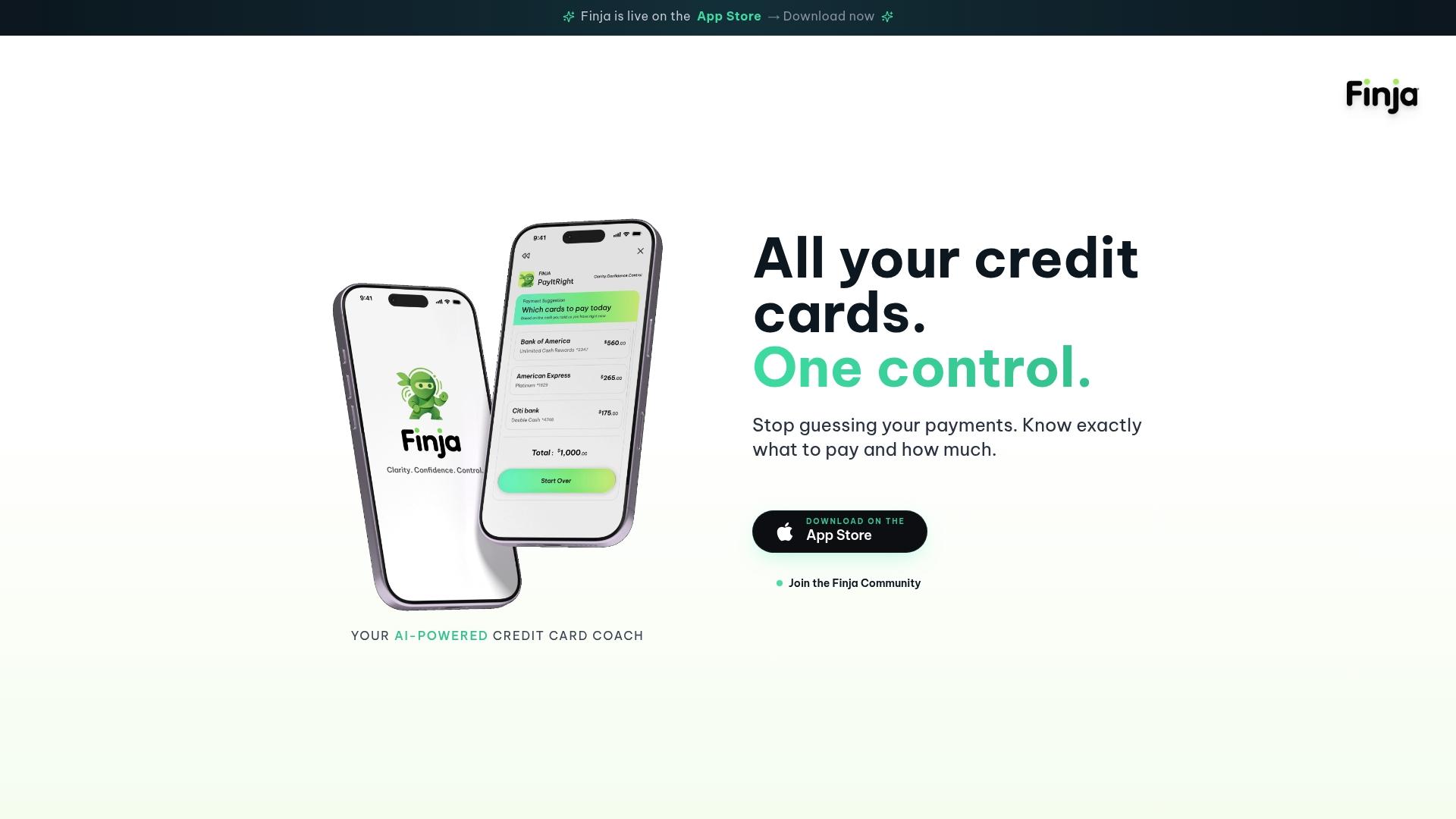
Explore how it works at Myfinja.
This article is general information, not a substitute for advice from a qualified financial advisor. Consult a qualified financial professional about your own circumstances before acting on anything here.

FAQ
Is there a time limit on balance transfers?
There's no universal deadline for requesting a transfer, but most issuers only honor promotional rates on transfers completed within a set window after account opening. Check your card's specific terms since this varies by issuer.
Do balance transfers hurt credit scores?
They can cause a small, temporary dip from a hard inquiry and a lower average account age, but lower utilization from consolidating debt often helps your score once the balance is paid down. The net effect depends on whether you keep old accounts open and avoid new debt.
How long before I can balance transfer?
Many issuers require a new account to be open for a set period, commonly around 14 days for some issuers, before allowing a transfer request. Existing cardholders in good standing usually face no such waiting period.
What is the 3 day rule for credit cards?
This isn't a standard balance transfer rule; it most often refers to billing or dispute windows that vary by card agreement and situation. Check your cardholder agreement or contact your issuer directly for the specific timeframe that applies to your account.
Sources
- How Long Do Balance Transfers Take? | Bankrate
- Do I pay interest on new purchases after I get a zero- or low-rate balance transfer? | CFPB
- How a balance transfer affects your credit score | Experian